






6 min read | Written by the Neuhaus Foot & Ankle team
Short answer: ingrown toenail removal is a quick office visit. Your podiatrist numbs the toe, removes the small piece of nail that is digging into the skin, and bandages it. Most people walk out the same day and are back in regular shoes within about a week.
If you are nervous, this guide shows you exactly what to expect.
What is an ingrown toenail?
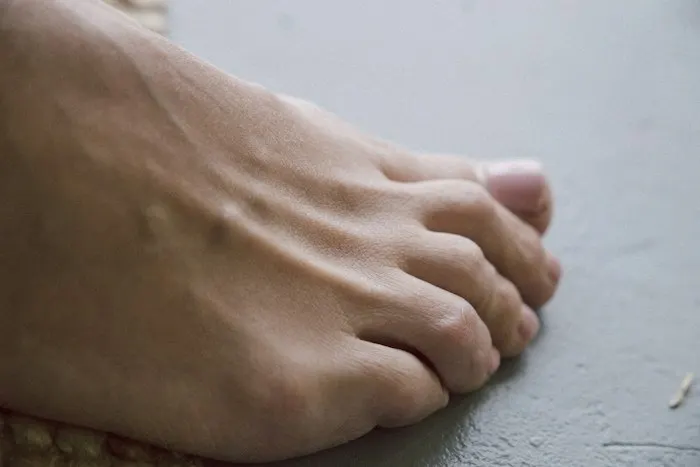
A toenail becomes ingrown when its edge grows into the skin beside it. The toe gets red, swollen and tender, and it can drain or get infected. It is most common on the big toe. Causes include cutting nails too short or curved, tight shoes, toe injuries and nails that curve naturally. Read more on our ingrown toenail page.
When home care is enough, and when it is not
For mild soreness, you can soak the foot in warm water, keep the toe clean and wear roomy shoes. But please do not cut into the nail yourself. We explain why in don’t perform bathroom surgery.
See a podiatrist if you have:
- Pus or a bad smell
- Redness spreading up the toe or foot
- Pain that is getting worse
- An ingrown nail that keeps coming back
- Diabetes, poor circulation or numb feet. In this case, do not wait.
Learn more in when an ingrown toenail requires help from your podiatrist.
What happens at the visit?
- Exam. We look at the toe, ask about your health and any medicines, and check for infection.
- Numbing. A small shot of local anesthetic numbs the toe. It stings for a few seconds, and then the toe goes numb.
- Removing the edge. We lift and remove the small strip of nail that is digging in. The rest of the nail stays in place.
- Preventing it from coming back. If the problem keeps returning, we may treat the small spot where that edge of the nail grows from, so that edge does not grow back sharp. We will explain the options before we start.
- Bandage. We clean the area, apply a dressing and give you simple care instructions.
The whole visit is usually short. You can walk afterward, but plan for a comfortable shoe or an open-toe shoe.
What is recovery like?
Every person heals a little differently, but this is a common pattern.
- First 24 to 48 hours: Keep the foot up when you can. The toe may feel sore once the numbness wears off. Follow your care sheet for when to take the first dressing off.
- Days 3 to 7: Soak and re-dress the toe as we show you. Some clear or pink drainage is normal. Most people are back in normal shoes.
- Weeks 2 to 4: The skin settles down. Avoid tight shoes and take care when you cut your nails.
Call us if you see more redness, more swelling, pus, a fever, or pain that gets worse after the first few days.
How to stop it from coming back
- Trim nails straight across, and not too short
- Wear shoes with enough room in the toe box
- Protect your toes from stubbing and injury
- Check your feet often, especially if you have diabetes
If ingrown nails keep coming back, tell your podiatrist. A small procedure can often fix the cause. See also why ingrown toenails happen more often in winter.
Get your toe checked
We treat ingrown toenails at our clinics in Nashville, Brentwood, Clarksville, Columbia, Cookeville, Gallatin, Goodlettsville and other Middle Tennessee towns. Request an appointment or call 615-220-8788.
Frequently asked questions
Does ingrown toenail removal hurt?
The toe is numbed with a local anesthetic before the procedure. The numbing shot stings for a moment, then you should not feel pain during the treatment. The toe can be sore for a few days afterward.
How long does it take to recover from ingrown toenail removal?
Most people are back in normal shoes within a few days to a week, and the toe is usually healed in a few weeks. Healing time can vary with the type of treatment and your health.
Do they remove the whole toenail?
Usually not. Most of the time only the painful edge of the nail is removed, and the rest of the nail stays. Removing the whole nail is rare.
Will my ingrown toenail come back?
It can. If the part of the nail root that causes the problem is treated, it is less likely to return. Trimming straight across and wearing shoes with room for your toes also helps.
When should I see a podiatrist for an ingrown toenail?
See a podiatrist if there is pus, spreading redness, increasing pain, or if the problem keeps coming back. See one right away if you have diabetes, poor circulation or numb feet, even if the toe looks only mildly sore.
Sources and further reading
This article is for general education and is not a diagnosis or personal medical advice. Updated November 27, 2026.
Questions about your feet?
Our podiatrists can help. Book a visit at any of our 15 clinics.