



Bunions, Toes & Forefoot Conditions
Ball-of-Foot Pain, Metatarsalgia & Forefoot Overload
Causes, symptoms, and treatment for ball-of-foot pain and metatarsalgia, with care at 15 clinics across Middle Tennessee.
Understanding ball-of-foot pain and metatarsalgia and your options.
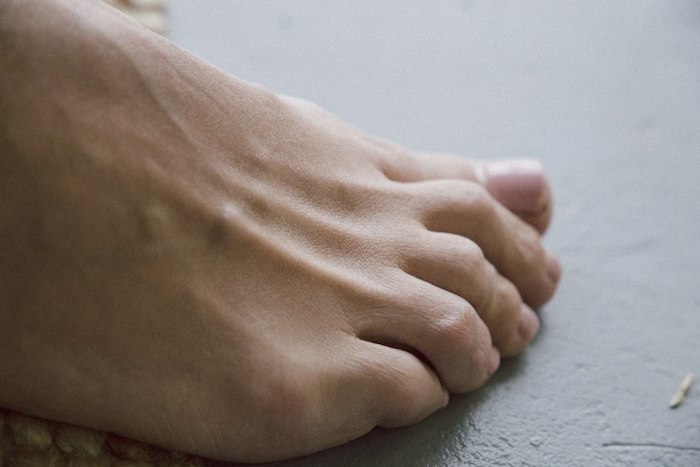
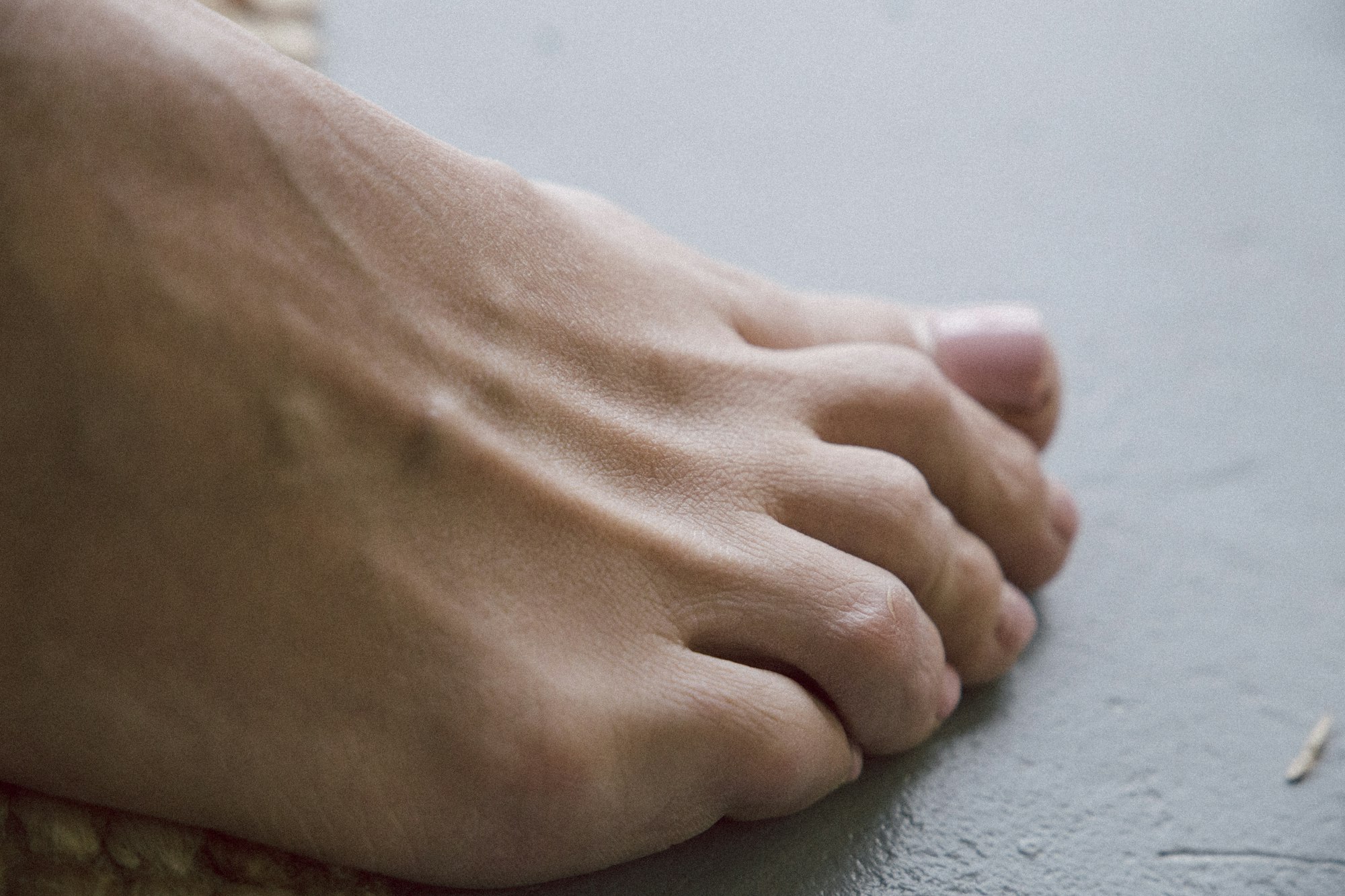
Ball-of-foot pain is soreness under the front of your foot, just behind the toes. Metatarsalgia is the name for this pain when the long foot bones (metatarsals) take too much pressure. It often feels like a bruise.
People who run, stand all day, or wear thin-soled or high-heeled shoes notice it most. Finding the cause early can stop the pain from spreading to other parts of the foot.
Symptoms
Signs of ball-of-foot pain and metatarsalgia.
If you notice these signs, an exam can give you clear answers.
- 01
Aching or burning under the ball of the foot
- 02
A feeling like a pebble under your toes
- 03
Pain that grows with walking or standing
- 04
Relief when you rest with your shoes off
Why it happens
What can cause ball-of-foot pain and metatarsalgia.
- 01
High heels or shoes with thin soles
- 02
Running or jumping sports with heavy impact
- 03
Foot shapes with a high arch or long metatarsal bones
- 04
Extra body weight or a tight calf muscle
Diagnosis and care
How we treat ball-of-foot pain and metatarsalgia.
Step 1 · Diagnosis
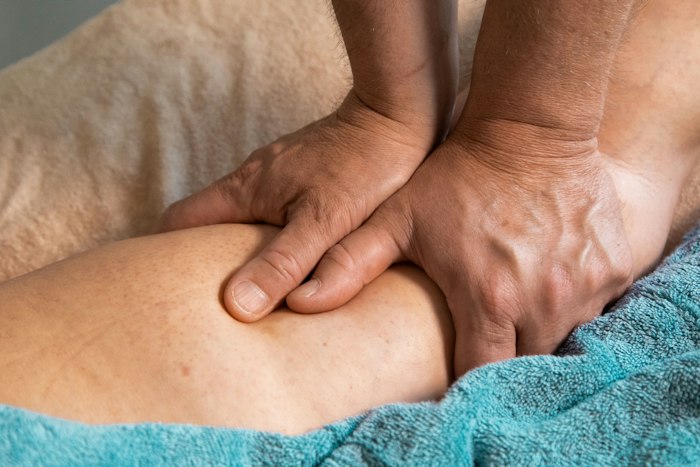
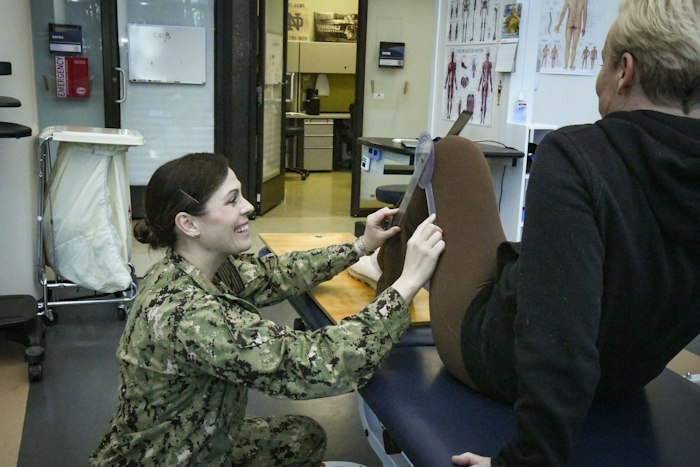
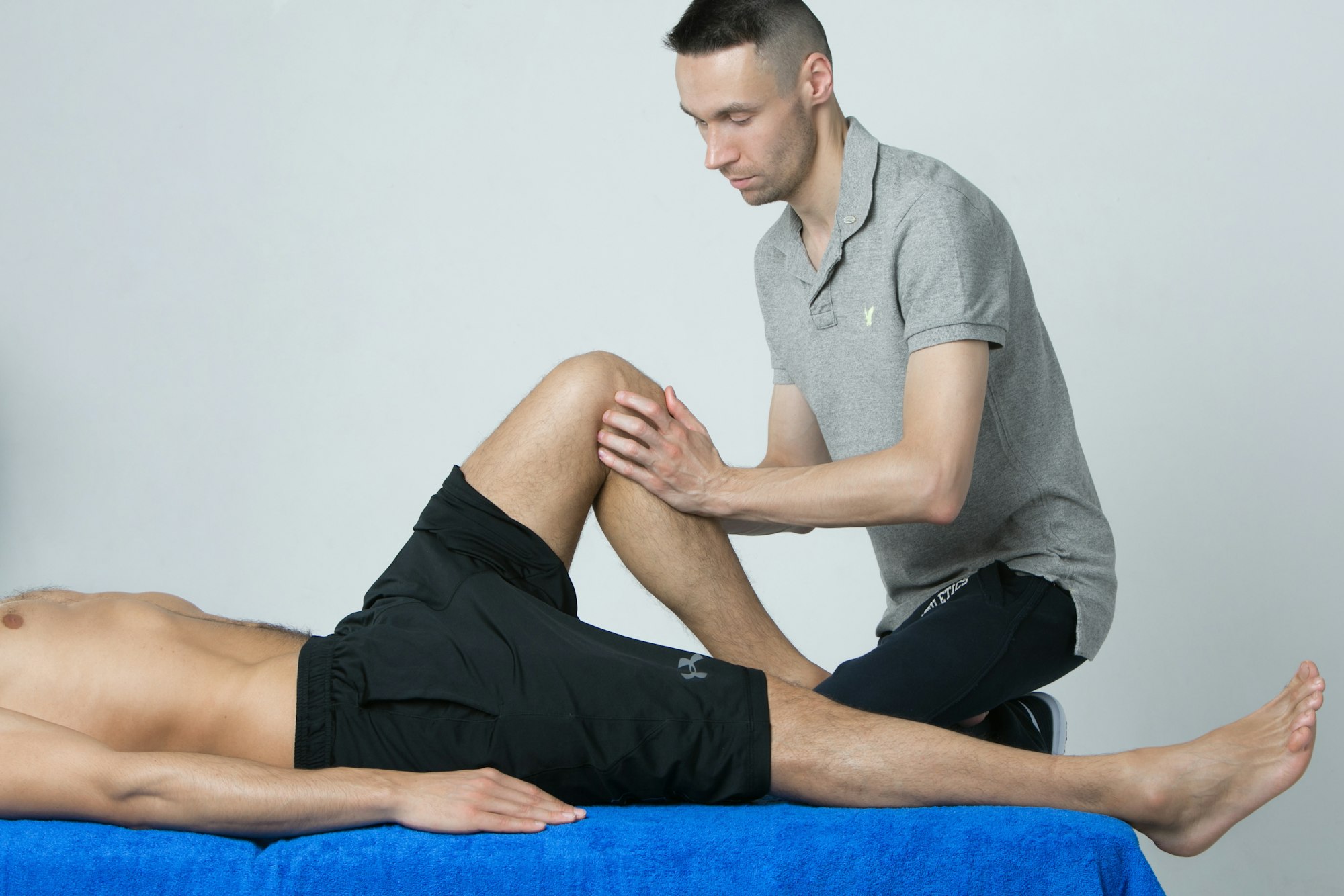
We ask about your shoes and daily activity, then press along the forefoot to find the sore spot. We also watch you stand and walk. X-rays can show bone length and stress injuries, and ultrasound or MRI may be used when we suspect soft tissue damage.
Step 2 · Treatment
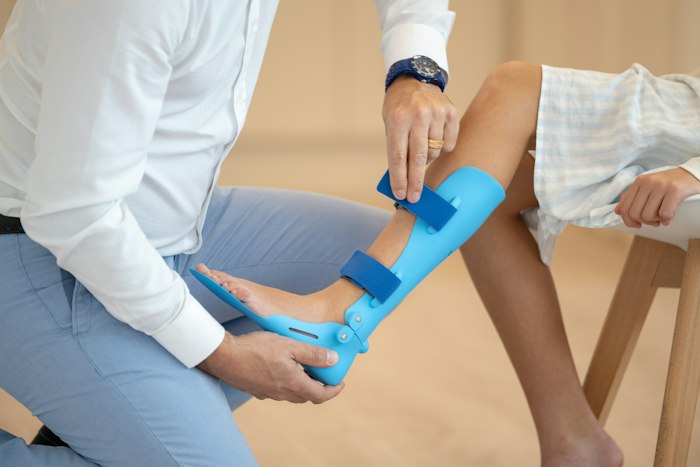
Cushioned shoes with a rocker sole can spread pressure across the foot. Metatarsal pads and custom orthotics move load away from the sore area. Rest from high-impact activity, ice, and calf stretching are often helpful. Physical therapy and, at times, an injection may calm stubborn pain.
Surgery is rarely needed. When other care fails, a procedure may adjust a metatarsal bone or release a tight calf muscle to reduce forefoot pressure.
Recovery
What to expect over time.
Many people feel real relief in four to eight weeks once pressure is offloaded. Longer recovery is possible if another problem is also present.
When to book
Do not wait it out.
See a podiatrist if pain lasts more than a couple of weeks or if it changes how you walk. Seek care sooner if you notice swelling, numbness, or a toe drifting out of place.
Call 615-220-8788Related care
More in Bunions, Toes & Forefoot Conditions.
- Bunions in Adults & Adolescents
- Hallux Limitus, Hallux Rigidus & Big Toe Arthritis
- Hallux Varus
- Sesamoiditis, Sesamoid Fractures & AVN
- Tailor's Bunion
- Hammertoes, Mallet Toes, Claw Toes & Curly Toes
- Overlapping, Underlapping & Joint Contractures
- Capsulitis & Plantar Plate Injuries and Tears
- Morton's Neuroma
- Freiberg's Disease & Intractable Plantar Keratosis
FAQ
Your questions answered.
Is ball-of-foot pain the same as a stress fracture?
No, but they can feel alike. An exam and imaging help tell them apart.
Can I keep running with this pain?
Often you can cut back and change shoes or inserts while healing. Ask us for a plan that fits your sport.
Get help with ball-of-foot pain and metatarsalgia.
Where we treat it
Ball-of-Foot Pain, Metatarsalgia & Forefoot Overload care at 15 clinics.
- Brentwood10644 Concord Road
- Clarksville1762 Memorial Dr
- Columbia1215 Hatcher Lane
- Cookeville120 Walnut Commons Lane, Suite A
- Gallatin179 Hancock St, Suite 300
- Goodlettsville824 Wren Rd
- Hermitage3901 Central Pike, Suite 353
- Lebanon430 West Main Street
- Mount Juliet2628 North Mount Juliet Road
- Murfreesboro536 N Thompson Ln, Suite F
- Nashville300 20th Avenue North, Suite 103
- Pulaski306 South 7th Street
- Shelbyville120 Frank Martin Rd, Suite 200
- Smyrna693 President Pl, Suite 103
- Waverly110 Hillwood Drive