



Flat Feet, High Arches & Alignment Disorders
Progressive Collapsing Foot Deformity
Causes, symptoms, and treatment for progressive collapsing foot deformity, with care at 15 clinics across Middle Tennessee.
Understanding progressive collapsing foot deformity and your options.
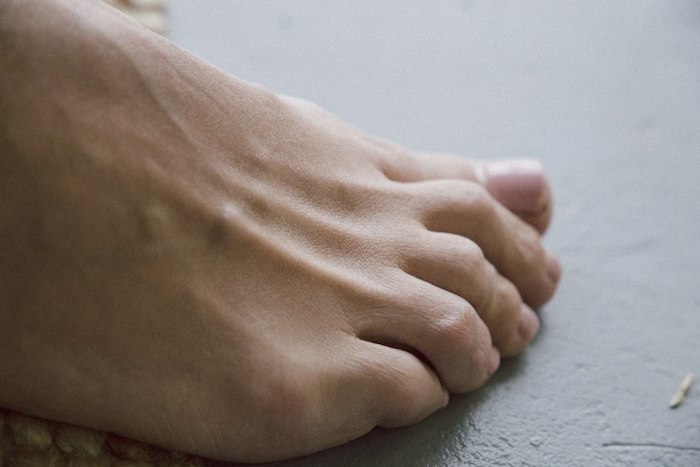
Progressive collapsing foot deformity, or PCFD, is a slow change in the foot and ankle where the arch sinks and the heel and foot shift out of line. It used to be called adult acquired flatfoot. It often begins with a worn-out tendon on the inner ankle.
It tends to appear in middle age and can worsen over time. Catching it early helps protect the joints from wear.
Also called: PCFD
Symptoms
Signs of progressive collapsing foot deformity.
If you notice these signs, an exam can give you clear answers.
- 01
Pain and swelling along the inner ankle
- 02
An arch that slowly gets lower
- 03
A heel that tilts outward
- 04
Trouble standing on your toes or walking far
Why it happens
What can cause progressive collapsing foot deformity.
- 01
Long-term strain on the posterior tibial tendon
- 02
Ligament weakness along the inside of the ankle
- 03
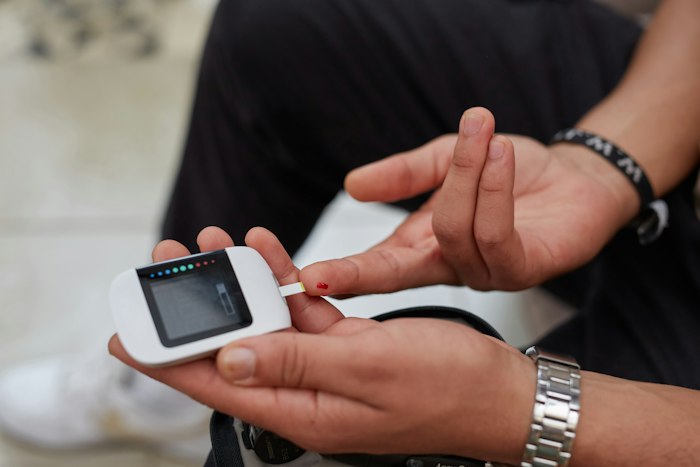
Obesity, diabetes, or high blood pressure
- 04
Past injury or inflammatory joint disease

Diagnosis and care
How we treat progressive collapsing foot deformity.
Step 1 · Diagnosis
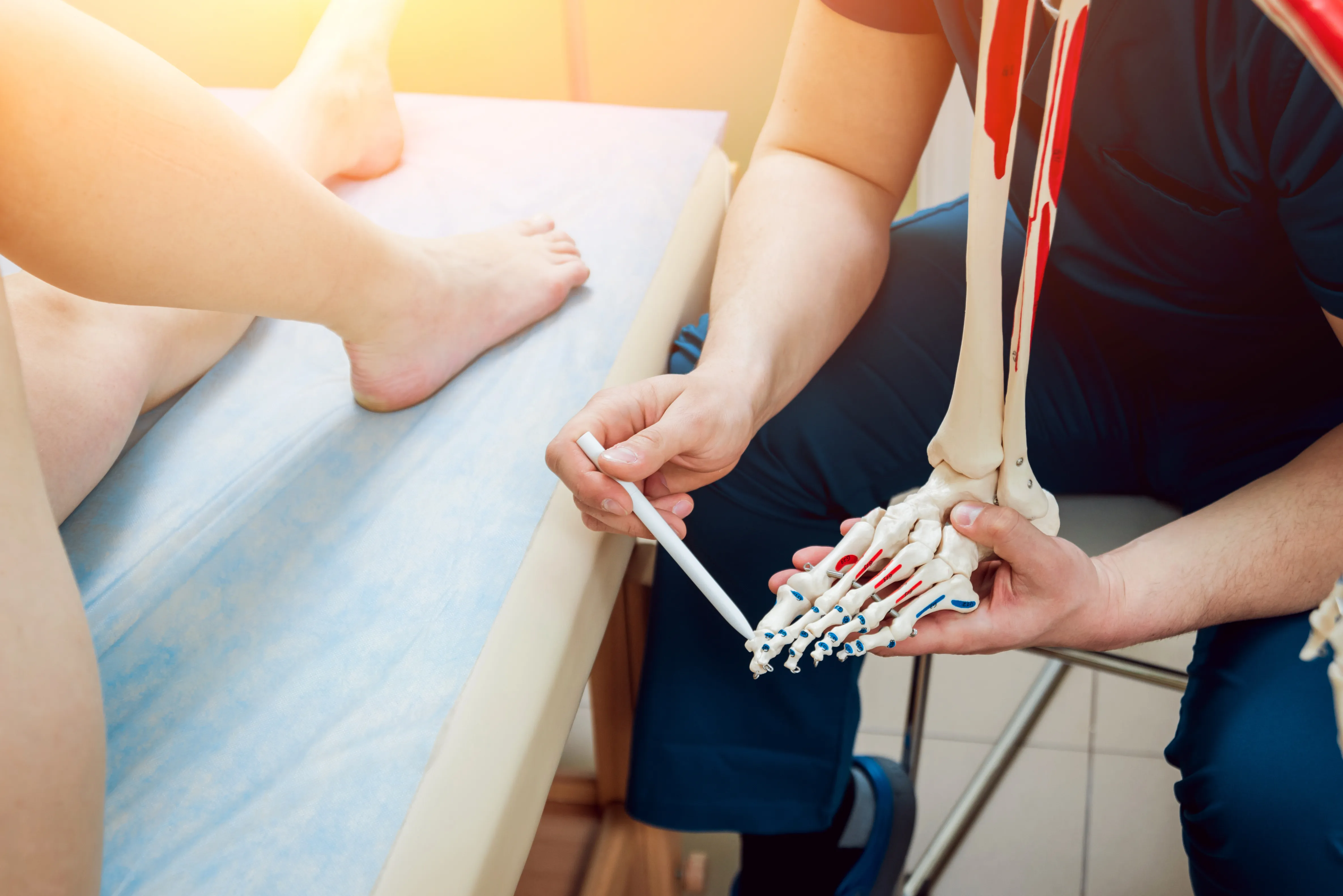
We check tendon strength, heel position, and how flexible the foot is. Standing X-rays show how far the bones have shifted, and MRI or ultrasound shows the state of the tendon. This tells us how advanced the problem is.
Step 2 · Treatment
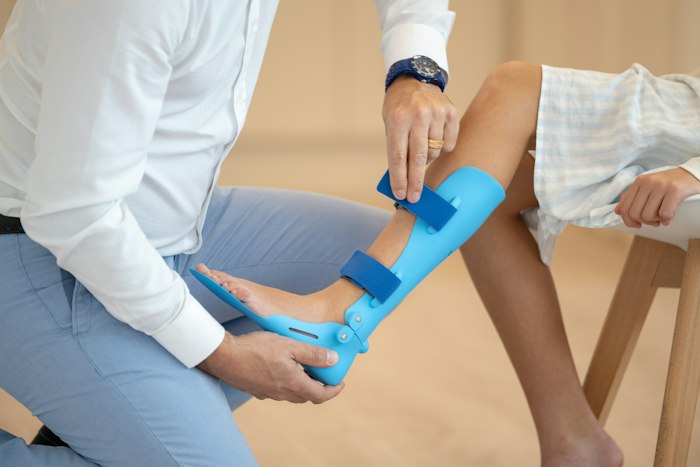
Early care includes a custom orthotic, a supportive brace or boot, and sturdy shoes. Physical therapy works on strength and balance. Anti-inflammatory measures and rest can settle a flare. Taping or an injection may be used in selected cases.
When bracing does not control pain or the shape keeps changing, surgery may rebuild the arch, move tendons, or fuse joints. The plan depends on how stiff the foot has become.
Recovery
What to expect over time.
Non-surgical care may take a few months to show its full effect. Surgical recovery often takes several months, with walking in stages.
When to book
Do not wait it out.
See us as soon as you notice a falling arch or steady pain on the inner ankle. Early treatment gives you more options.
Call 615-220-8788Related care
More in Flat Feet, High Arches & Alignment Disorders.
FAQ
Your questions answered.
Will PCFD keep getting worse?
It can, but bracing and other care may slow the change. Checkups help us follow it.
Is it different from ordinary flat feet?
Yes. PCFD is a changing problem with tendon damage, while many flat feet are stable and painless.
Get help with progressive collapsing foot deformity.
Where we treat it
Progressive Collapsing Foot Deformity care at 15 clinics.
- Brentwood10644 Concord Road
- Clarksville1762 Memorial Dr
- Columbia1215 Hatcher Lane
- Cookeville120 Walnut Commons Lane, Suite A
- Gallatin179 Hancock St, Suite 300
- Goodlettsville824 Wren Rd
- Hermitage3901 Central Pike, Suite 353
- Lebanon430 West Main Street
- Mount Juliet2628 North Mount Juliet Road
- Murfreesboro536 N Thompson Ln, Suite F
- Nashville300 20th Avenue North, Suite 103
- Pulaski306 South 7th Street
- Shelbyville120 Frank Martin Rd, Suite 200
- Smyrna693 President Pl, Suite 103
- Waverly110 Hillwood Drive