




Services
Diabetic Foot Care, Wounds & Circulation
Careful exams, wound care, and circulation and nerve care to protect feet with diabetes and other high-risk conditions. Available at 15 clinics across Middle Tennessee.
About diabetic foot care, wounds, and circulation problems
Understanding diabetic foot care, wounds, and circulation problems, and how we help.
Diabetic Foot Care, Wounds & Circulation care is offered at 15 Neuhaus Foot & Ankle clinics across Middle Tennessee. Choose a clinic near you at the end of this page.
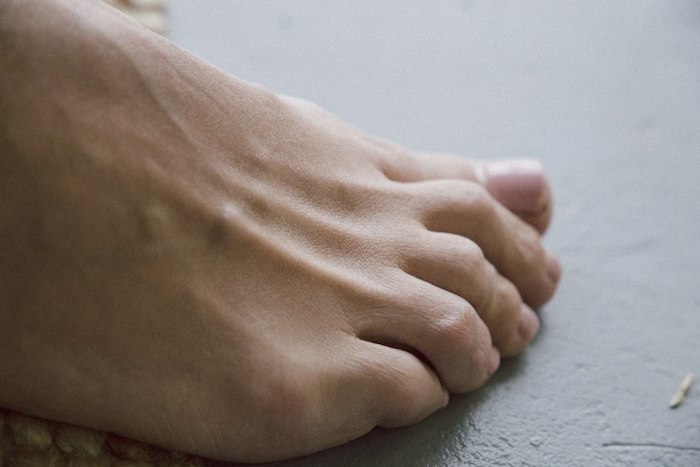
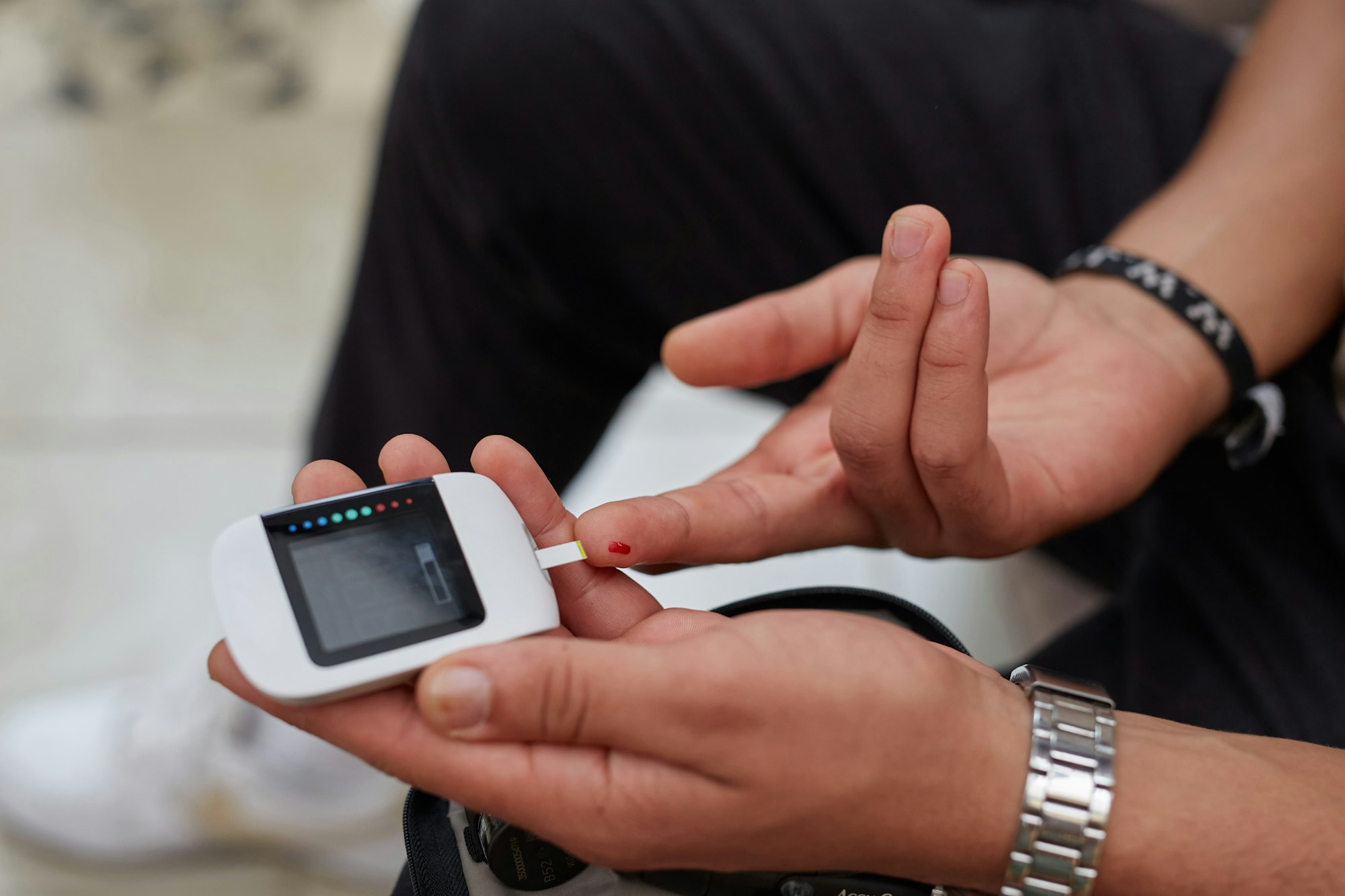
Diabetes and poor circulation can damage nerves and blood vessels in the feet. You may not feel a small cut or blister, and it may heal slowly. Small problems can turn into serious wounds and infections, so regular expert care is one of the best ways to protect your health and independence.
This group covers routine diabetic foot care, nerve problems, wounds that will not heal, infections, circulation problems, swelling, and nerve entrapment.
- Kids & adultswelcome at every clinic
- On site X-raysfor fast answers
- 15 clinicsacross Middle Tennessee
Conditions we treat
8 conditions we care for at every clinic.
Not sure which one you have? You do not need to know. We will find the cause.
Diabetic foot care
Wounds and infection
Symptoms
Signs of diabetic foot care, wounds, and circulation problems.
If you notice any of these signs, a visit can bring clear answers.
- 01
Numbness, tingling, or burning in the feet
- 02
Cuts, blisters, or sores that heal slowly
- 03
Cold, pale, or bluish feet, or leg cramps when walking
- 04
Swelling in the feet or legs
- 05
Redness, warmth, drainage, or a bad smell from a wound
Why it happens
Common causes of diabetic foot care, wounds, and circulation problems.
- 01
Long term high blood sugar
- 02
Narrowed arteries that reduce blood flow
- 03
Loss of feeling, so injuries go unnoticed
- 04
Poorly fitting shoes
- 05
Smoking
- 06
Vein problems, kidney disease, or lymph system problems

Diagnosis and care
How we treat diabetic foot care, wounds, and circulation problems.
Step 1 · Diagnosis
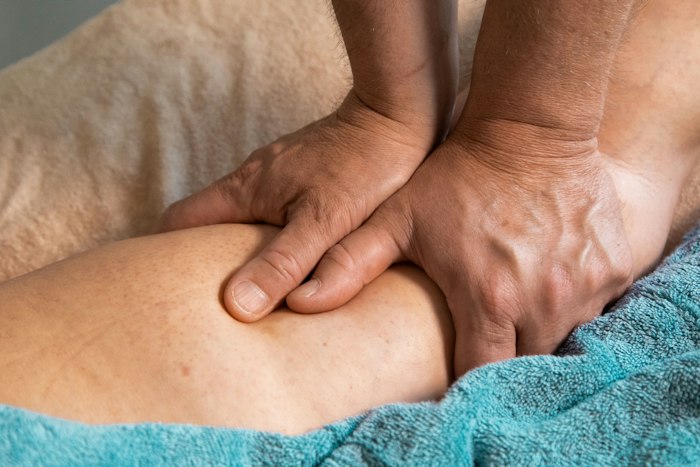
We check the skin, nails, pulses, temperature, and the feeling in your feet using simple tests. We look at foot shape and pressure points, measure blood flow when needed, and examine any wound closely. X-rays and lab tests help find infection or bone involvement, and we work with vascular specialists for circulation testing.
Step 2 · Treatment
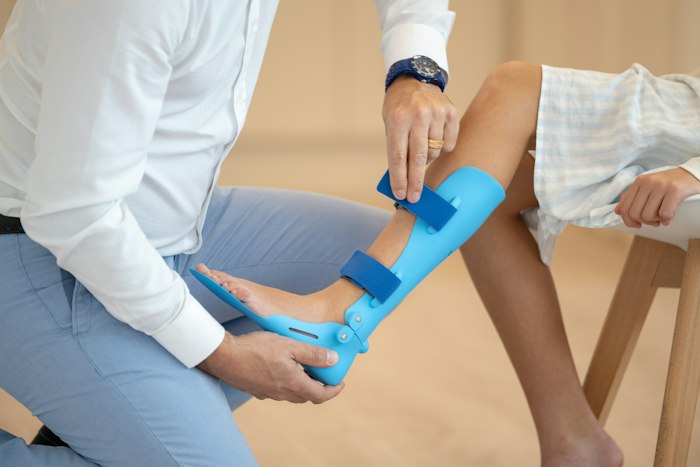
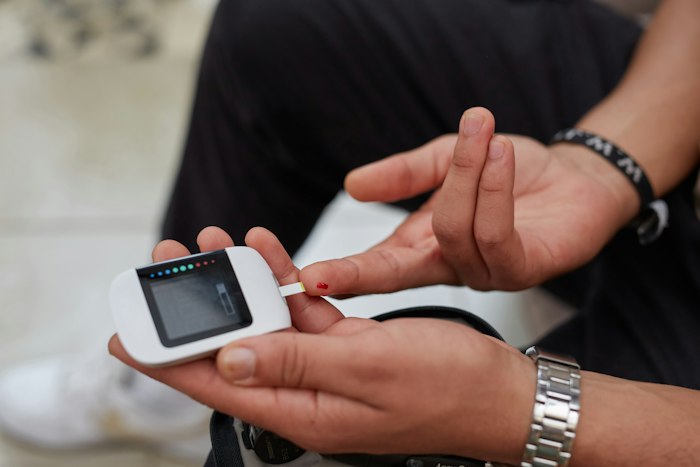
Care includes a full foot exam, safe nail and callus care, moisturizing advice, and help with shoes and therapeutic inserts. Wounds are cleaned and treated with special dressings, offloading boots, compression, and advanced wound care. Infections are treated quickly with the right medicine, and we coordinate with your primary doctor to control blood sugar.
For severe infection, poor blood flow, or deformity that keeps causing wounds, we work with vascular surgeons and our foot and ankle surgeons on procedures that restore blood flow, remove infected tissue, or reshape the foot. Our goal is to save the limb and keep you walking.
Recovery
What to expect.
With regular visits and good daily habits, most problems stay small. Wounds that get quick care often heal in weeks, though some take months. Keeping blood sugar and blood pressure in range makes every part of care work better.
When to book: If you have diabetes, get a foot exam at least once a year. Book a visit right away for any cut, blister, color change, swelling, or sore that does not heal, even if it does not hurt.
Prevention
Tips to keep it from coming back.
- Check both feet every day, including the bottoms
- Wash and dry feet well, especially between toes
- Never walk barefoot, even indoors
- Wear clean socks and shoes that fit well
- Do not cut corns or calluses yourself
- Do not smoke, and keep blood sugar in your target range
Why do people with diabetes need a podiatrist?
Because you may not feel an injury. A podiatrist finds small problems early and helps prevent infections and serious wounds.
Does insurance cover diabetic foot care?
Medicare and many plans cover foot exams and therapeutic shoes for people with diabetes when the rules are met. Call us and we will check your coverage.
Can a foot ulcer heal?
Yes, most do with quick, proper care. The sooner it is treated, the better the result.
Where we treat it
Diabetic Foot Care, Wounds & Circulation care at 15 clinics.
- Diabetic Foot Care, Wounds & Circulation in Brentwood10644 Concord Road
- Diabetic Foot Care, Wounds & Circulation in Clarksville1762 Memorial Dr
- Diabetic Foot Care, Wounds & Circulation in Columbia1215 Hatcher Lane
- Diabetic Foot Care, Wounds & Circulation in Cookeville120 Walnut Commons Lane, Suite A
- Diabetic Foot Care, Wounds & Circulation in Gallatin179 Hancock St, Suite 300
- Diabetic Foot Care, Wounds & Circulation in Goodlettsville824 Wren Rd
- Diabetic Foot Care, Wounds & Circulation in Hermitage3901 Central Pike, Suite 353
- Diabetic Foot Care, Wounds & Circulation in Lebanon430 West Main Street
- Diabetic Foot Care, Wounds & Circulation in Mount Juliet2628 North Mount Juliet Road
- Diabetic Foot Care, Wounds & Circulation in Murfreesboro536 N Thompson Ln, Suite F
- Diabetic Foot Care, Wounds & Circulation in Nashville300 20th Avenue North, Suite 103
- Diabetic Foot Care, Wounds & Circulation in Pulaski306 South 7th Street
- Diabetic Foot Care, Wounds & Circulation in Shelbyville120 Frank Martin Rd, Suite 200
- Diabetic Foot Care, Wounds & Circulation in Smyrna693 President Pl, Suite 103
- Diabetic Foot Care, Wounds & Circulation in Waverly110 Hillwood Drive