


Flat Feet, High Arches & Alignment Disorders
High Arches & Cavovarus Foot
Causes, symptoms, and treatment for high arches and cavovarus feet, with care at 15 clinics across Middle Tennessee.
Understanding high arches and cavovarus feet and your options.
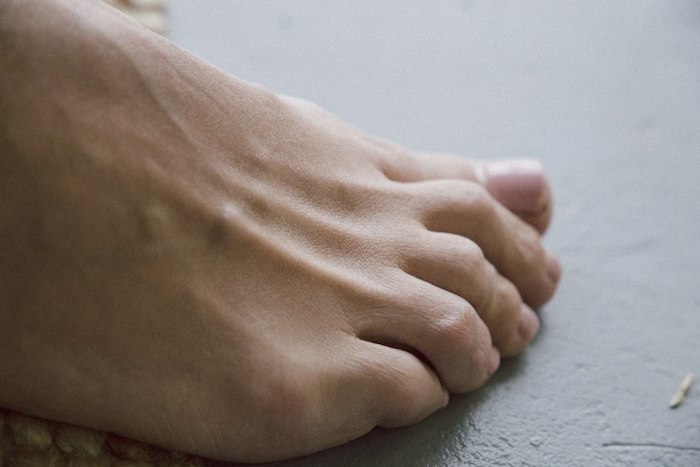
A high arch, or pes cavus, is a foot with an arch that stays raised even when you stand. A cavovarus foot also has a heel that tilts inward. The foot becomes stiff and puts extra load on the heel and ball.
Some people are born with it. In others, a nerve or muscle condition is behind it, so a careful exam matters.
Also called: Pes Cavus
Symptoms
Signs of high arches and cavovarus feet.
If you notice these signs, an exam can give you clear answers.
- 01
Pain in the ball or heel of the foot
- 02
Frequent ankle sprains or a wobbly ankle
- 03
Toes that curl or claw
- 04
Calluses on the heel, ball, or outer edge
Why it happens
What can cause high arches and cavovarus feet.
- 01
An inherited foot shape
- 02
Nerve and muscle conditions that pull the foot
- 03
Old injuries to the foot or ankle
- 04
Imbalance between strong and weak leg muscles
Diagnosis and care
How we treat high arches and cavovarus feet.
Step 1 · Diagnosis
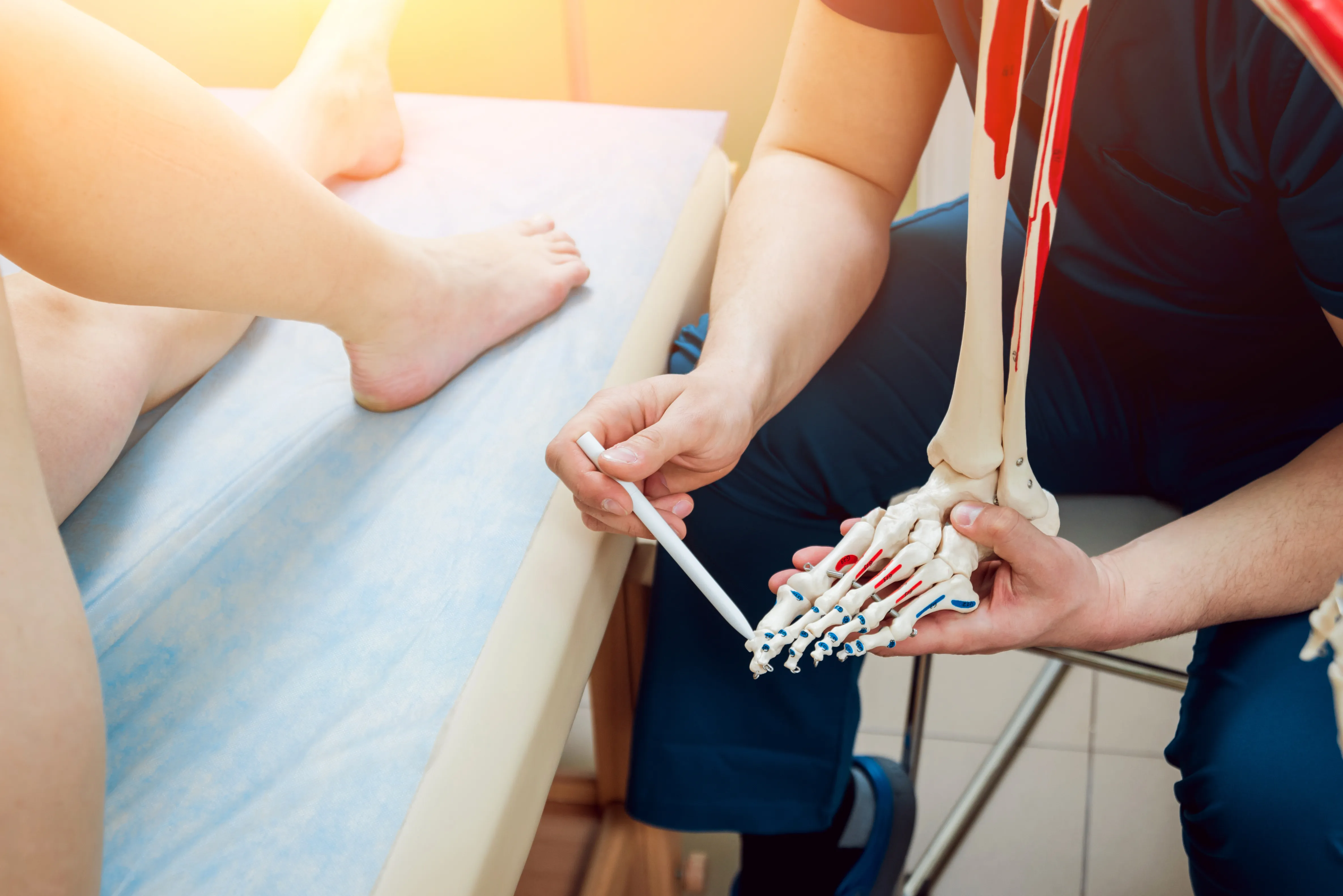
We look at your arch, heel angle, and toe position, and test strength and feeling in your legs. Standing X-rays show alignment. We may suggest nerve or MRI testing if we suspect a hidden cause.
Step 2 · Treatment
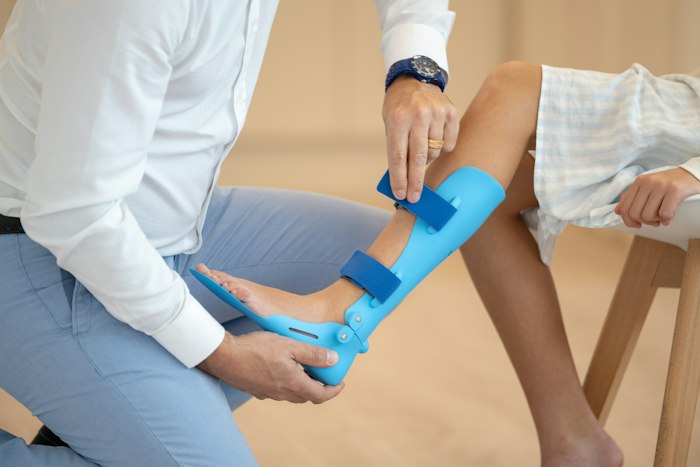
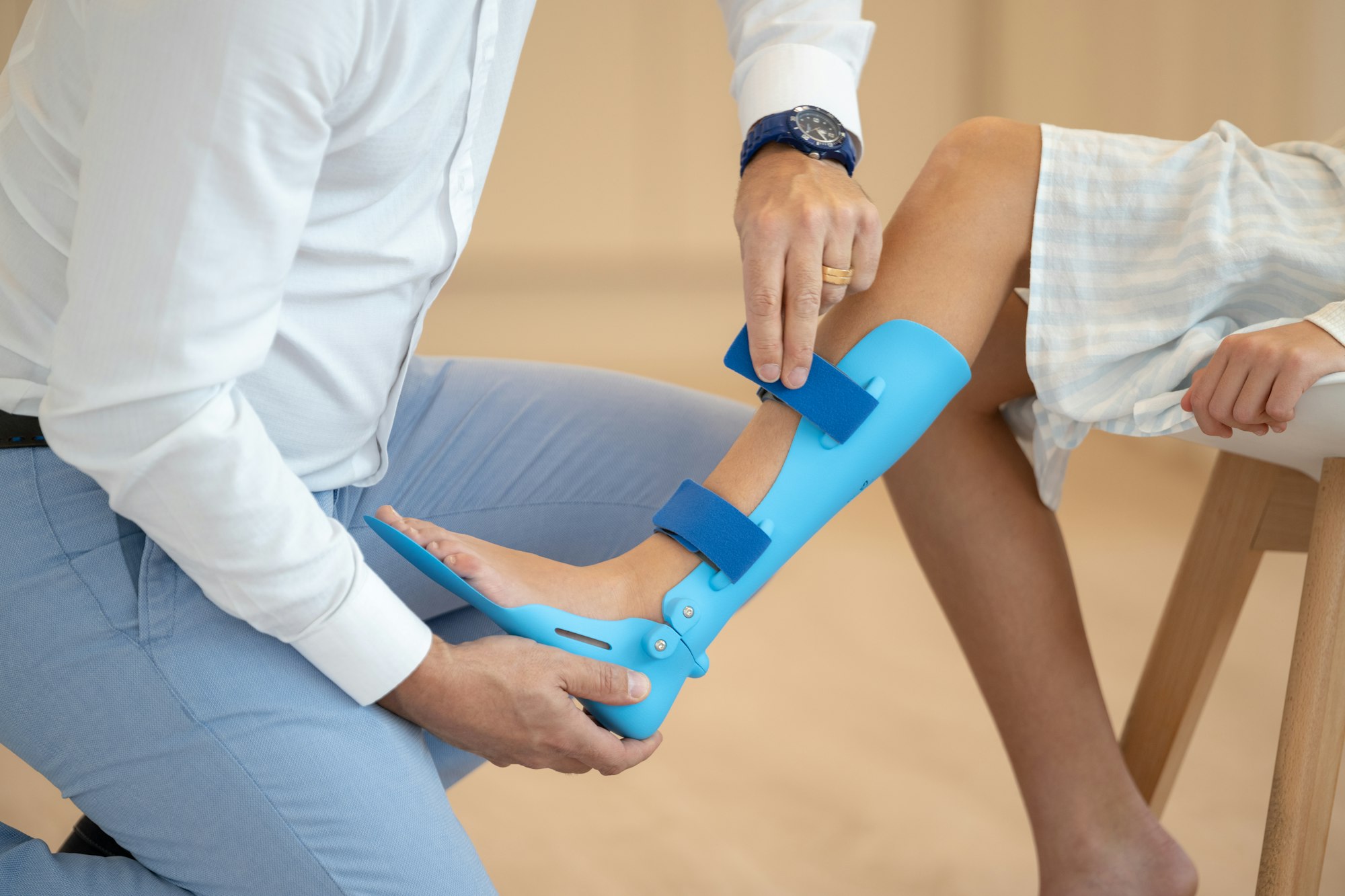
Cushioned shoes with a wide sole absorb shock. Custom orthotics spread pressure across the foot rather than only the heel and ball. An ankle brace can add stability if you often roll your ankle. Physical therapy and calf stretching also help.
When pain or ankle instability continues, surgery can rebalance tendons, correct the heel position, or reshape bones. Many people do well without an operation.
Recovery
What to expect over time.
Better shoes and orthotics often bring relief within a few weeks. Surgical recovery may take three to six months or more.
When to book
Do not wait it out.
Book a visit if you sprain your ankle often or have foot pain that lasts. Also come in if you notice new weakness, numbness, or a change in your arch.
Call 615-220-8788Related care
More in Flat Feet, High Arches & Alignment Disorders.
FAQ
Your questions answered.
Why do I keep spraining my ankle?
A high arch shifts weight to the outer foot, which makes rolling the ankle easier. A brace and strength work can help.
Can a high arch come from a nerve problem?
Yes, sometimes. That is why we check strength and feeling along with the foot.
Get help with high arches and cavovarus feet.
Where we treat it
High Arches & Cavovarus Foot care at 15 clinics.
- Brentwood10644 Concord Road
- Clarksville1762 Memorial Dr
- Columbia1215 Hatcher Lane
- Cookeville120 Walnut Commons Lane, Suite A
- Gallatin179 Hancock St, Suite 300
- Goodlettsville824 Wren Rd
- Hermitage3901 Central Pike, Suite 353
- Lebanon430 West Main Street
- Mount Juliet2628 North Mount Juliet Road
- Murfreesboro536 N Thompson Ln, Suite F
- Nashville300 20th Avenue North, Suite 103
- Pulaski306 South 7th Street
- Shelbyville120 Frank Martin Rd, Suite 200
- Smyrna693 President Pl, Suite 103
- Waverly110 Hillwood Drive