



Services
Flat Feet, High Arches & Alignment Disorders
Fallen arches, very high arches, and alignment problems that strain your feet, knees, and hips. We support and correct how you stand and walk. Available at 15 clinics across Middle Tennessee.
About flat feet, high arches, and alignment problems
Understanding flat feet, high arches, and alignment problems, and how we help.
Flat Feet, High Arches & Alignment Disorders care is offered at 15 Neuhaus Foot & Ankle clinics across Middle Tennessee. Choose a clinic near you at the end of this page.
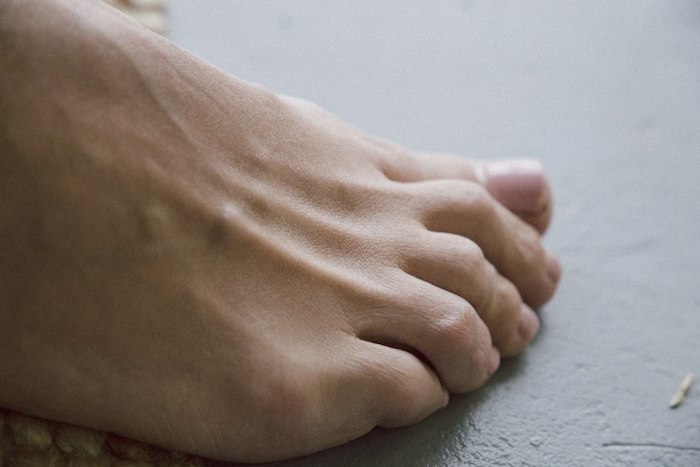
The shape of your arch decides how weight moves through your foot, ankle, knee, and hip. Very flat feet and very high arches both change how you walk, and over time the extra strain can cause pain far from the foot itself.
This group covers arch shape problems, alignment differences, and unusual walking patterns, in children, adults, and people whose feet have changed with age.
- Kids & adultswelcome at every clinic
- On site X-raysfor fast answers
- 15 clinicsacross Middle Tennessee
Conditions we treat
7 conditions we care for at every clinic.
Not sure which one you have? You do not need to know. We will find the cause.
Symptoms
Signs of flat feet, high arches, and alignment problems.
If you notice any of these signs, a visit can bring clear answers.
- 01
Feet that roll inward or outward when you walk or stand
- 02
Aching arches, ankles, knees, hips, or lower back
- 03
Shoes that wear down unevenly
- 04
Tired feet by the end of the day
- 05
A bony bump on the inside of the foot (accessory navicular)
Why it happens
Common causes of flat feet, high arches, and alignment problems.
- 01
Inherited foot shape
- 02
Weak or damaged tendons, especially the posterior tibial tendon
- 03
Nerve or muscle conditions, especially with very high arches
- 04
Injury or arthritis in the midfoot
- 05
Differences in leg length
- 06
Weight gain or long hours standing
Diagnosis and care
How we treat flat feet, high arches, and alignment problems.
Step 1 · Diagnosis
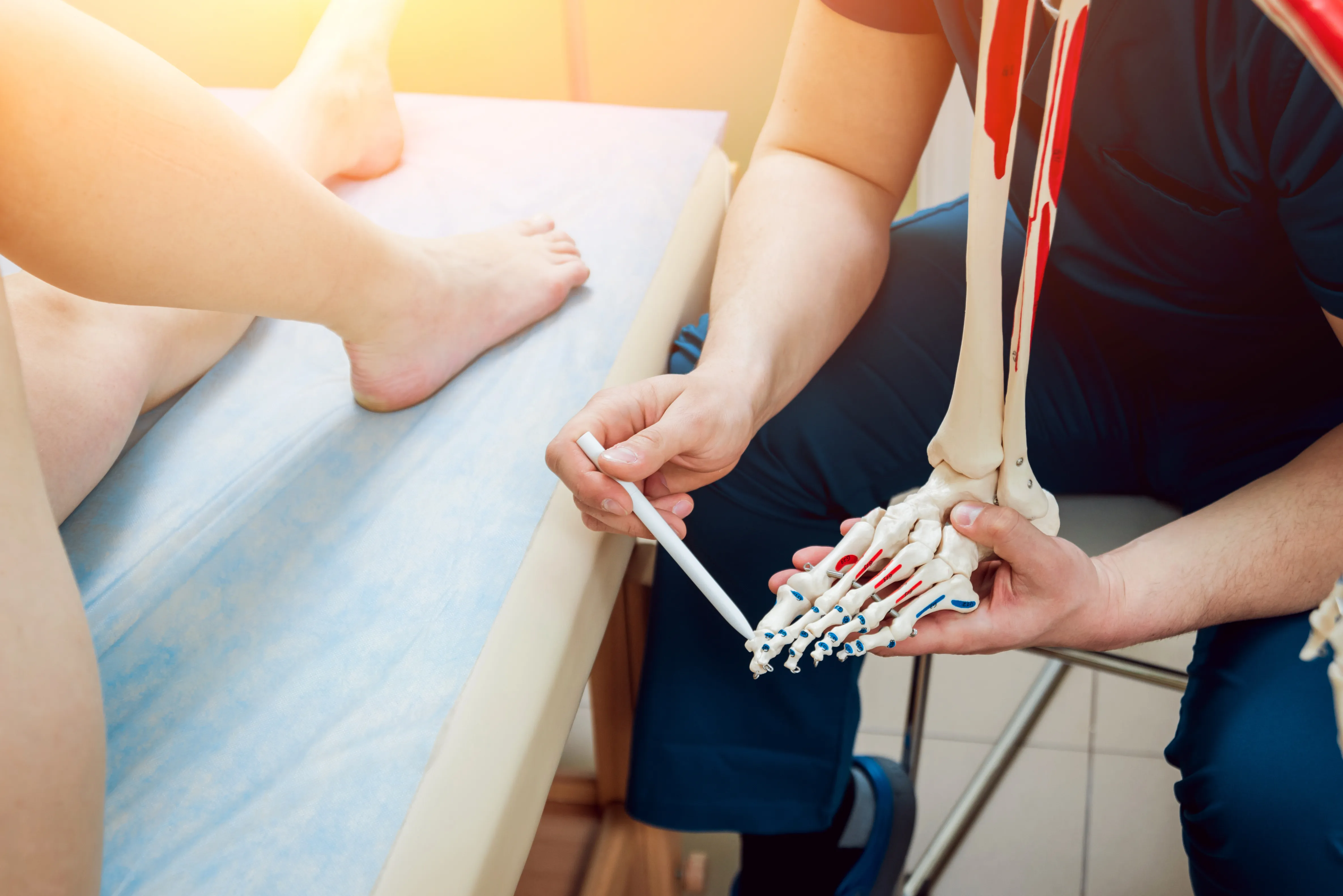
We watch you stand and walk, check the shape and flexibility of the arch, and measure how your feet and legs line up. Weight bearing X-rays show the bones under load. For advanced changes we may order an ultrasound or MRI to check tendons and joints.
Step 2 · Treatment
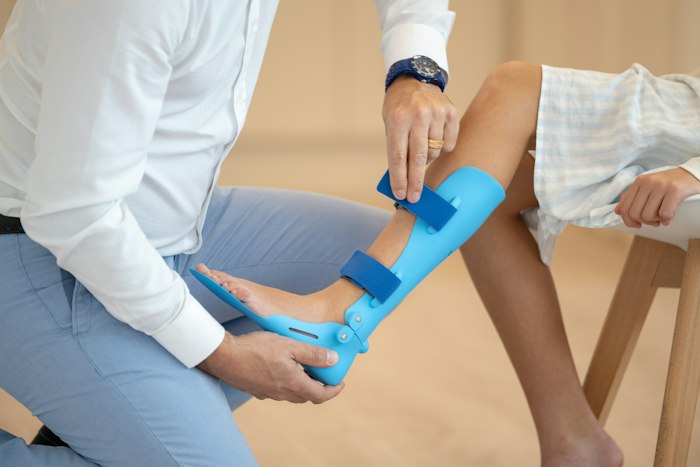
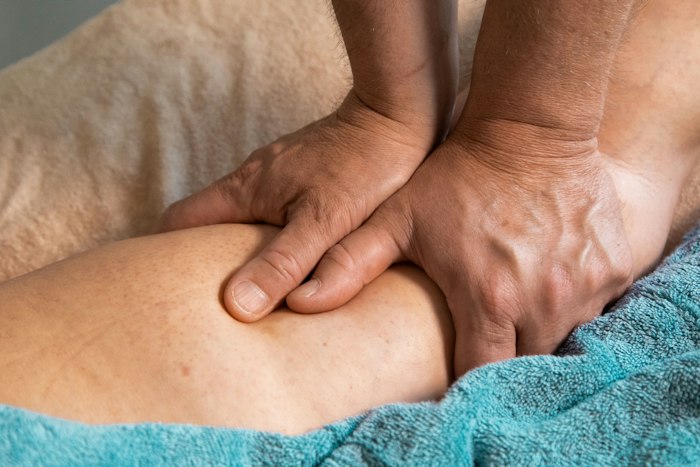
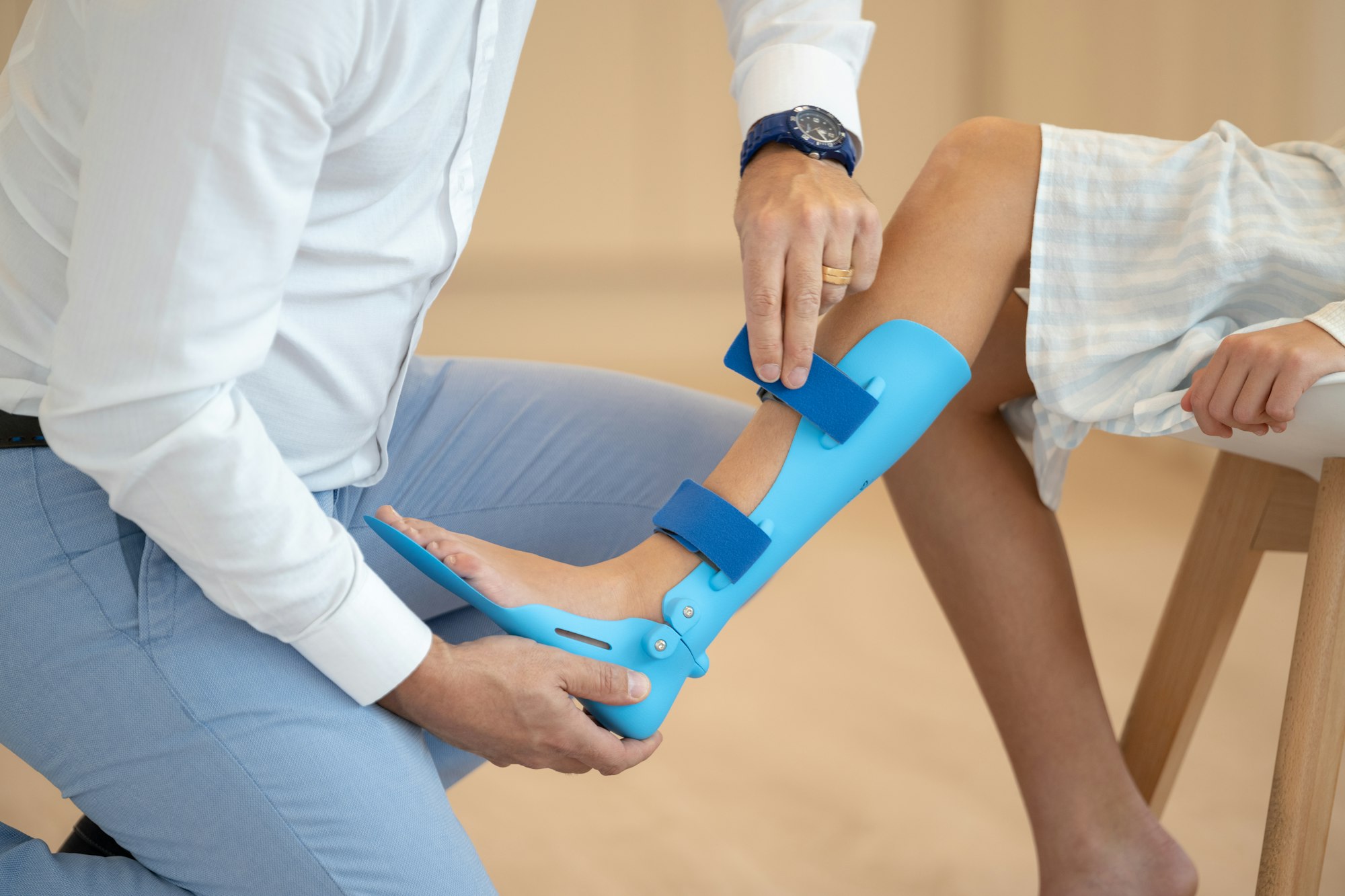
Most people improve with custom orthotics made from a scan or mold of the foot, supportive shoes, bracing, and exercises that strengthen the foot and ankle. For a painful accessory navicular, we can use padding, orthotics, and short-term immobilization. We tailor the plan to your foot, your job, and your activities.
When a deformity is advanced or painful despite good care, surgery can rebalance tendons, realign bones, or fuse a damaged joint. Our surgeons explain when it helps and when non surgical care is enough.
Recovery
What to expect.
Orthotics need a short break in period of one to two weeks, and many patients feel the difference within days. Bracing and exercise plans take a few weeks to show results. After surgery, recovery depends on the procedure, and we give you a clear timeline.
When to book: See a podiatrist if your arches ache, your feet roll in or out, you have pain in the knees or back that may come from how you walk, or the inside of your ankle becomes swollen and sore.
Prevention
Tips to keep it from coming back.
- Wear shoes with good arch support and a firm heel
- Use orthotics as prescribed and check them yearly
- Keep calf and foot muscles flexible and strong
- Get children's foot shape checked if you see rolling or pain
- Replace shoes that wear unevenly
Do flat feet always need treatment?
No. Many flat feet cause no problems. Treatment is for pain, fatigue, or a foot that is changing shape.
What is PCFD?
Progressive collapsing foot deformity happens when the tendon that holds up the arch weakens and the foot slowly flattens and turns outward. Early care helps slow it down.
Can orthotics fix a high arch?
Orthotics spread pressure and add support, which relieves pain for many people. They do not change the bones, but they make walking more comfortable and stable.
Where we treat it
Flat Feet, High Arches & Alignment Disorders care at 15 clinics.
- Flat Feet, High Arches & Alignment Disorders in Brentwood10644 Concord Road
- Flat Feet, High Arches & Alignment Disorders in Clarksville1762 Memorial Dr
- Flat Feet, High Arches & Alignment Disorders in Columbia1215 Hatcher Lane
- Flat Feet, High Arches & Alignment Disorders in Cookeville120 Walnut Commons Lane, Suite A
- Flat Feet, High Arches & Alignment Disorders in Gallatin179 Hancock St, Suite 300
- Flat Feet, High Arches & Alignment Disorders in Goodlettsville824 Wren Rd
- Flat Feet, High Arches & Alignment Disorders in Hermitage3901 Central Pike, Suite 353
- Flat Feet, High Arches & Alignment Disorders in Lebanon430 West Main Street
- Flat Feet, High Arches & Alignment Disorders in Mount Juliet2628 North Mount Juliet Road
- Flat Feet, High Arches & Alignment Disorders in Murfreesboro536 N Thompson Ln, Suite F
- Flat Feet, High Arches & Alignment Disorders in Nashville300 20th Avenue North, Suite 103
- Flat Feet, High Arches & Alignment Disorders in Pulaski306 South 7th Street
- Flat Feet, High Arches & Alignment Disorders in Shelbyville120 Frank Martin Rd, Suite 200
- Flat Feet, High Arches & Alignment Disorders in Smyrna693 President Pl, Suite 103
- Flat Feet, High Arches & Alignment Disorders in Waverly110 Hillwood Drive