


Bunions, Toes & Forefoot Conditions
Sesamoiditis, Sesamoid Fractures & AVN
Causes, symptoms, and treatment for sesamoiditis, sesamoid fractures, and AVN, with care at 15 clinics across Middle Tennessee.
Understanding sesamoiditis, sesamoid fractures, and AVN and your options.
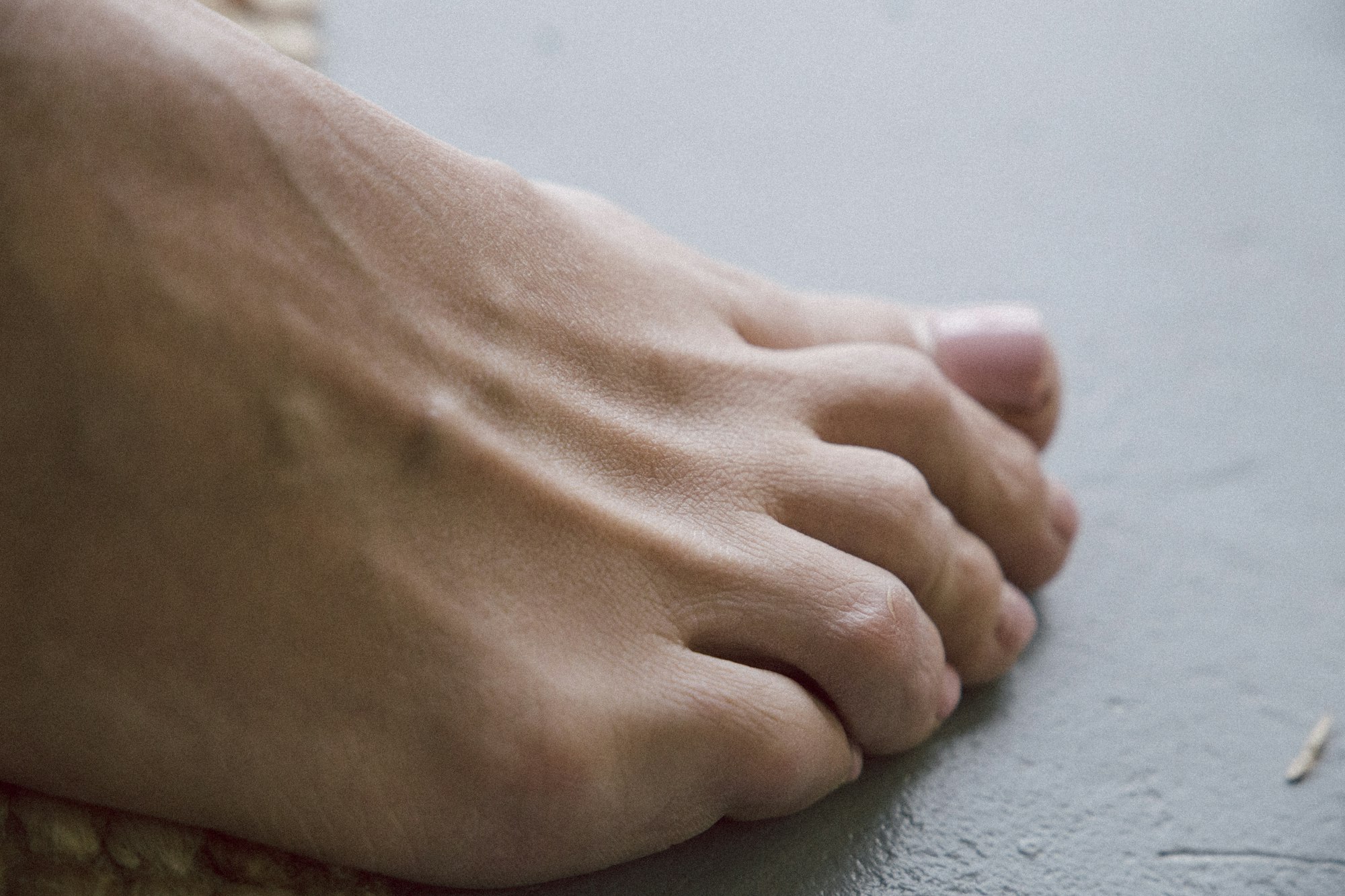
The sesamoids are two tiny bones under the big toe joint that act like pulleys for a tendon. Sesamoiditis means these bones and the tendon around them are irritated. A sesamoid can also crack, and in rare cases the bone can lose blood supply, which is called avascular necrosis (AVN).
These problems are common in runners, dancers, and people who spend time on the balls of their feet. Early care can protect the bones and help you avoid long-lasting pain.
Symptoms
Signs of sesamoiditis, sesamoid fractures, and AVN.
If you notice these signs, an exam can give you clear answers.
- 01
Pain under the ball of the foot, below the big toe
- 02
Aching that gets worse when you push off or squat
- 03
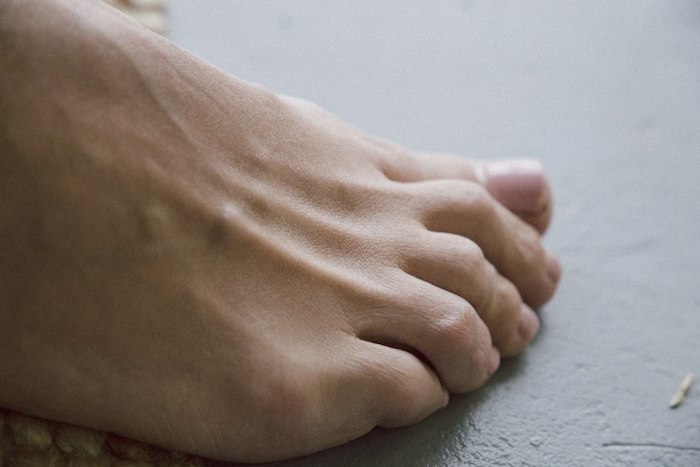
Swelling or a sore spot under the big toe joint
- 04
Pain when bending the big toe up or down
Why it happens
What can cause sesamoiditis, sesamoid fractures, and AVN.
- 01
Repeated pressure from running, jumping, or dancing
- 02
Wearing high heels or thin, flat shoes
- 03
A high arch that puts weight on the ball of the foot
- 04
A sudden injury such as a hard landing

Diagnosis and care
How we treat sesamoiditis, sesamoid fractures, and AVN.
Step 1 · Diagnosis
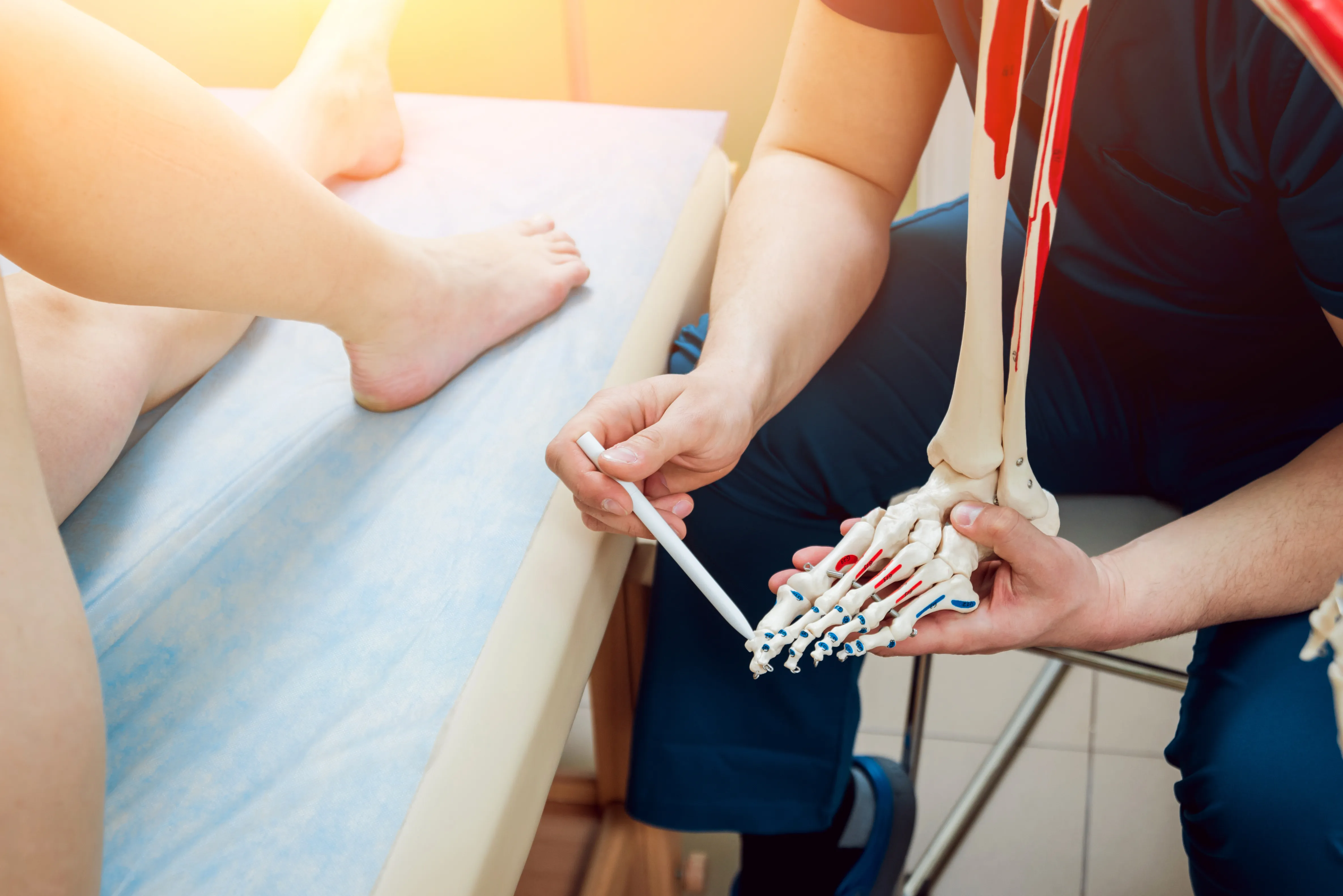
We press under the big toe joint and test how the toe moves against resistance. X-rays show the sesamoids and whether one is cracked. MRI or a CT referral may be used to look for bone stress, a loss of blood flow, or an injury not seen on X-ray.
Step 2 · Treatment
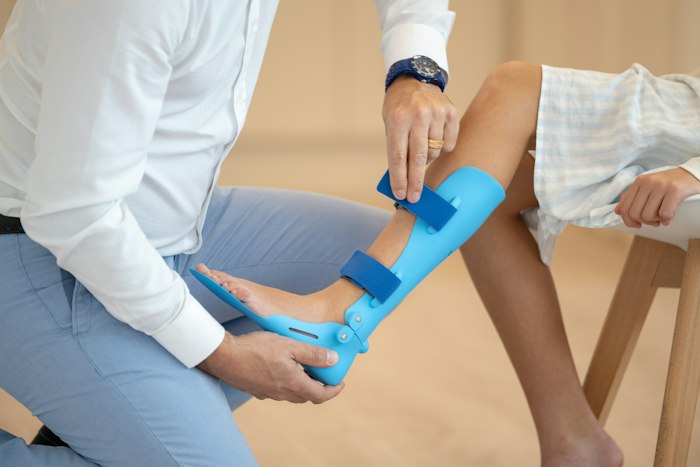
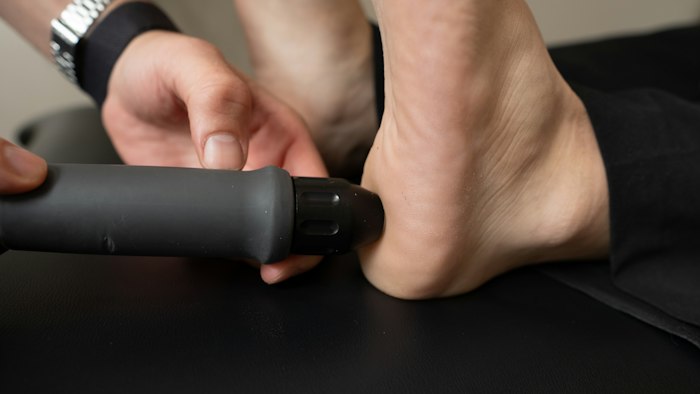
Taking weight off the sesamoids is the key. Cushioned shoes, a padded insert that gives the area a dip, and stiff-soled footwear help. A walking boot or taping may be needed for a period of time. Anti-inflammatory care, physical therapy, and an injection can also be part of the plan.
Surgery is not common but may be advised for a fracture that does not heal or for AVN. The procedure may remove all or part of the sesamoid.
Recovery
What to expect over time.
Simple irritation often improves in several weeks to a few months. Fractures and blood flow problems can take longer, sometimes several months.
When to book
Do not wait it out.
See a podiatrist if pain under the big toe lasts more than a week or two or came on after a fall or jump. Come sooner if you cannot bear weight or the joint swells.
Call 615-220-8788Related care
More in Bunions, Toes & Forefoot Conditions.
- Bunions in Adults & Adolescents
- Hallux Limitus, Hallux Rigidus & Big Toe Arthritis
- Hallux Varus
- Tailor's Bunion
- Hammertoes, Mallet Toes, Claw Toes & Curly Toes
- Overlapping, Underlapping & Joint Contractures
- Ball-of-Foot Pain, Metatarsalgia & Forefoot Overload
- Capsulitis & Plantar Plate Injuries and Tears
- Morton's Neuroma
- Freiberg's Disease & Intractable Plantar Keratosis
FAQ
Your questions answered.
How can I tell if it is sesamoiditis or a fracture?
The pain can feel alike, so an exam and X-ray are needed. MRI may be added when the answer is unclear.
What does AVN mean for the sesamoid?
It means part of the bone has lost blood flow and may weaken. It is uncommon and is watched closely with imaging.
Get help with sesamoiditis, sesamoid fractures, and AVN.
Where we treat it
Sesamoiditis, Sesamoid Fractures & AVN care at 15 clinics.
- Brentwood10644 Concord Road
- Clarksville1762 Memorial Dr
- Columbia1215 Hatcher Lane
- Cookeville120 Walnut Commons Lane, Suite A
- Gallatin179 Hancock St, Suite 300
- Goodlettsville824 Wren Rd
- Hermitage3901 Central Pike, Suite 353
- Lebanon430 West Main Street
- Mount Juliet2628 North Mount Juliet Road
- Murfreesboro536 N Thompson Ln, Suite F
- Nashville300 20th Avenue North, Suite 103
- Pulaski306 South 7th Street
- Shelbyville120 Frank Martin Rd, Suite 200
- Smyrna693 President Pl, Suite 103
- Waverly110 Hillwood Drive