






6 min read | Written by the Neuhaus Foot & Ankle team
Short answer: most people with plantar fasciitis start to feel better within a few weeks to a few months once they treat it. Some stubborn cases take six to twelve months. The sooner you start care, the faster you tend to heal.
This guide gives you a simple timeline, the things that slow healing down, and the signs that it is time to see a podiatrist.
What is plantar fasciitis?
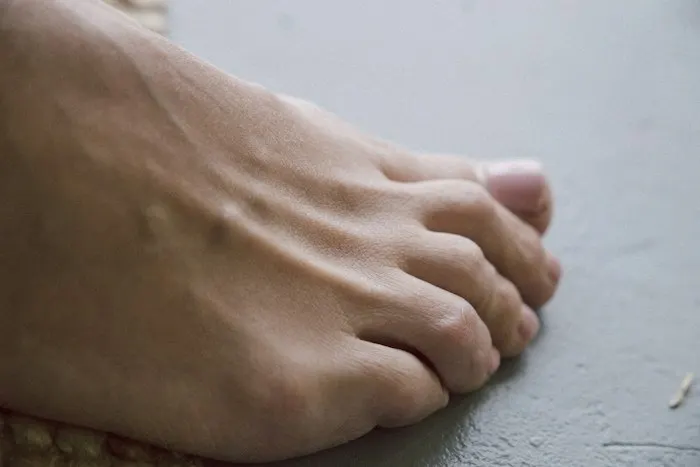
The plantar fascia is a thick band of tissue under your foot. It runs from your heel bone to your toes and supports your arch. When this band gets irritated or strained, you feel pain in the heel or the bottom of the foot. The pain is often worst with the first steps in the morning or after you have been sitting for a while.
If this sounds like you, our page on plantar fasciitis explains the symptoms and causes in more detail.
A simple recovery timeline
Every foot is different, so treat this as a general guide and not a promise.
- Week 1 to 2: You start to calm things down. Rest from the activity that hurt, wear supportive shoes, stretch your calves and arches, and ice the heel. Pain is often still there, but it should not be getting worse.
- Week 3 to 6: Many people notice that morning pain is less sharp and that they can walk longer. Keep stretching, even when you feel better.
- Month 2 to 3: If you have been steady with your care, pain is often much better. This is a good time to slowly return to normal exercise.
- Month 6 to 12: Some people still have pain at this point. That does not mean you will always have it. It means your care plan needs a closer look, and a podiatrist can help.
What helps you heal faster?
- Stretch every day. Calf stretches and plantar fascia stretches take only a few minutes. Do them before you get out of bed and after long periods of sitting. See our 5 best exercises for plantar fasciitis.
- Wear supportive shoes. Choose shoes with good arch support and a firm heel. Try not to walk barefoot on hard floors, even at home.
- Cut back, do not stop moving. Lower the miles or the hours on your feet for a while. Swap running for swimming or cycling until the pain settles.
- Try orthotics. Arch supports or custom orthotics can take strain off the band.
- Use ice and short-term pain relief. Ice for about 20 minutes can help. Ask your doctor before you take anti-inflammatory medicine for more than a few days.
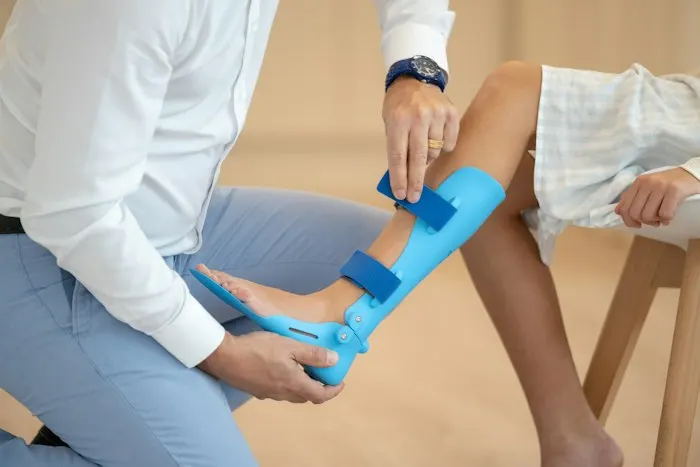
- Try night splints or physical therapy. These help if the pain is worst in the morning or if tight calves are part of the problem.
For more home ideas, read tips for easing plantar fasciitis pain at home.
What slows healing down?
- Going back to running or long walks too soon
- Standing on hard floors all day for work
- Tight calf muscles
- Worn-out shoes with no support
- Extra body weight, which adds load to the heel
- Ignoring the pain until it has been there for months
When should you see a podiatrist?
Book a visit if:
- Heel pain lasts more than two weeks
- The pain is getting worse, or it wakes you at night
- You change the way you walk to avoid the pain
- You notice swelling, numbness or tingling
- You cannot put weight on the foot (this needs care right away)
At your visit, we find out whether the pain really is plantar fasciitis. Heel pain can also come from a heel spur, a nerve problem or a stress fracture, and each needs a different plan. Read more in when plantar fasciitis pain does not go away.
What can a podiatrist add to your care?
If home care is not enough, your podiatrist may suggest custom orthotics, taping or strapping, a short time in a walking boot, physical therapy, a steroid injection in selected cases, or shockwave therapy. Surgery is rare. It is only considered when several months of treatment have not worked.
Get help close to home
Our podiatrists treat heel pain in Nashville, Brentwood, Clarksville, Columbia, Cookeville, Gallatin, Goodlettsville and across Middle Tennessee. You can find your nearest clinic on our locations page, or learn about our heel, Achilles and arch pain care.
Frequently asked questions
How long does plantar fasciitis take to heal?
Many people feel clearly better within a few weeks to a few months when they stretch, wear supportive shoes and cut back on the activity that caused the pain. Stubborn cases can take six to twelve months. Starting treatment early usually shortens the recovery.
Can plantar fasciitis go away on its own?
It can improve on its own, but it often takes longer and comes back more often without treatment. Walking on a sore heel every day keeps irritating the tissue, so simple care at home speeds things up.
Is walking good for plantar fasciitis?
Gentle walking in supportive shoes is usually fine. Long walks, running and standing for hours on hard floors can keep the pain going. If a walk makes the heel pain worse, shorten it and rest.
When should I see a podiatrist for heel pain?
See a podiatrist if heel pain lasts more than two weeks, gets worse, wakes you at night, or makes you change the way you walk. Also come in sooner if you have swelling, numbness, or you cannot put weight on the foot.
Do I need surgery for plantar fasciitis?
Most people do not. Surgery is only considered after several months of treatment that did not help. Many people get better with stretching, shoe changes, orthotics, night splints, physical therapy or shockwave therapy.
Sources and further reading
This article is for general education and is not a diagnosis or personal medical advice. Updated November 27, 2026.
Questions about your feet?
Our podiatrists can help. Book a visit at any of our 15 clinics.