



Fractures, Trauma & Sports Injuries
Shin Splints & Running Injuries
Causes, symptoms, and treatment for shin splints and running injuries, with care at 15 clinics across Middle Tennessee.
Understanding shin splints and running injuries and your options.
Shin splints are pain along the inner edge of the shinbone. They happen when the muscles and tissue around the bone get irritated from repeated pounding. Other running injuries can affect the heel, arch, knee, or ankle.
Runners, dancers, and anyone who ramps up training too fast are often affected. The ache may start mild and grow with each run. Early care can keep a small problem from forcing you to stop for months.
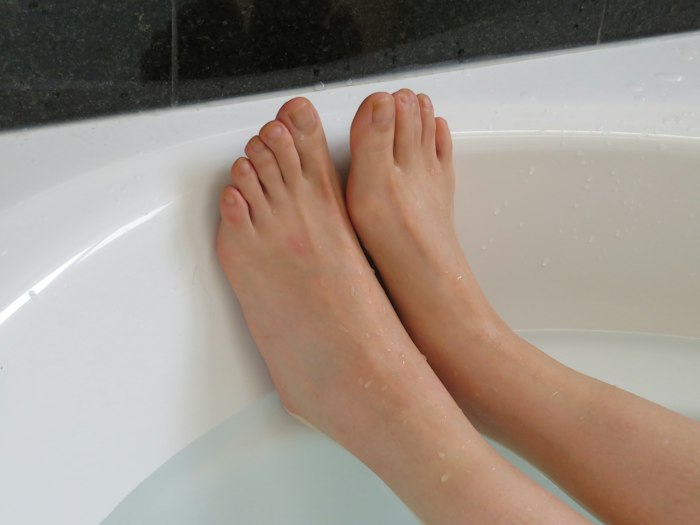
Symptoms
Signs of shin splints and running injuries.
If you notice these signs, an exam can give you clear answers.
- 01
A dull ache or soreness along the shin
- 02
Pain that starts at the beginning of a run
- 03
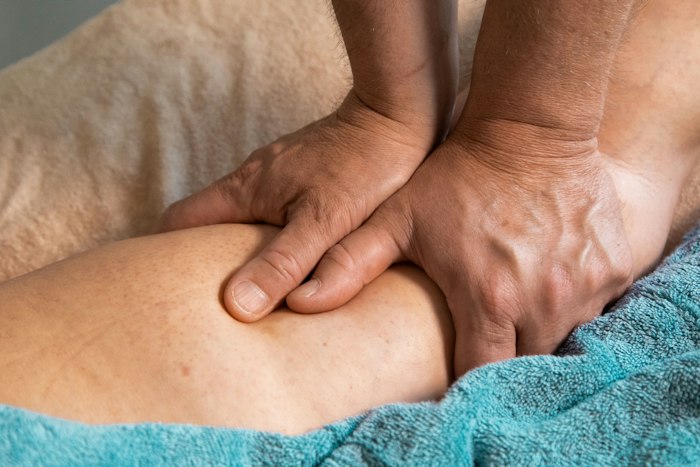
Tenderness when you press along the inner shin
- 04
Aching that lingers after activity ends
Why it happens
What can cause shin splints and running injuries.
- 01
Doing too much, too soon, or too often
- 02
Running on hard surfaces or slanted roads
- 03
Old shoes that have lost cushion or support
- 04
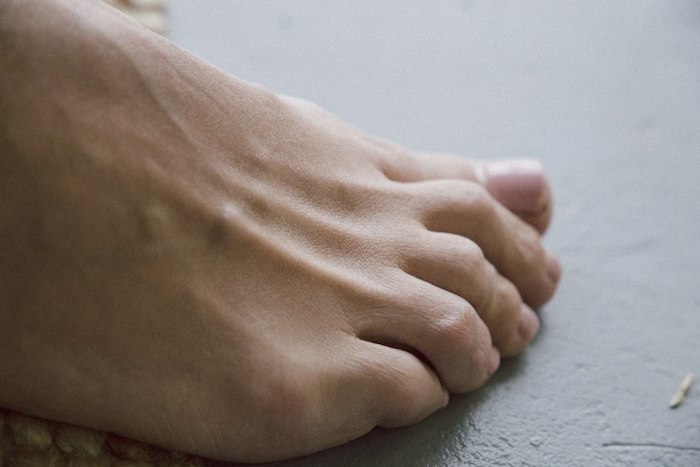
Flat feet, high arches, or weak calf muscles
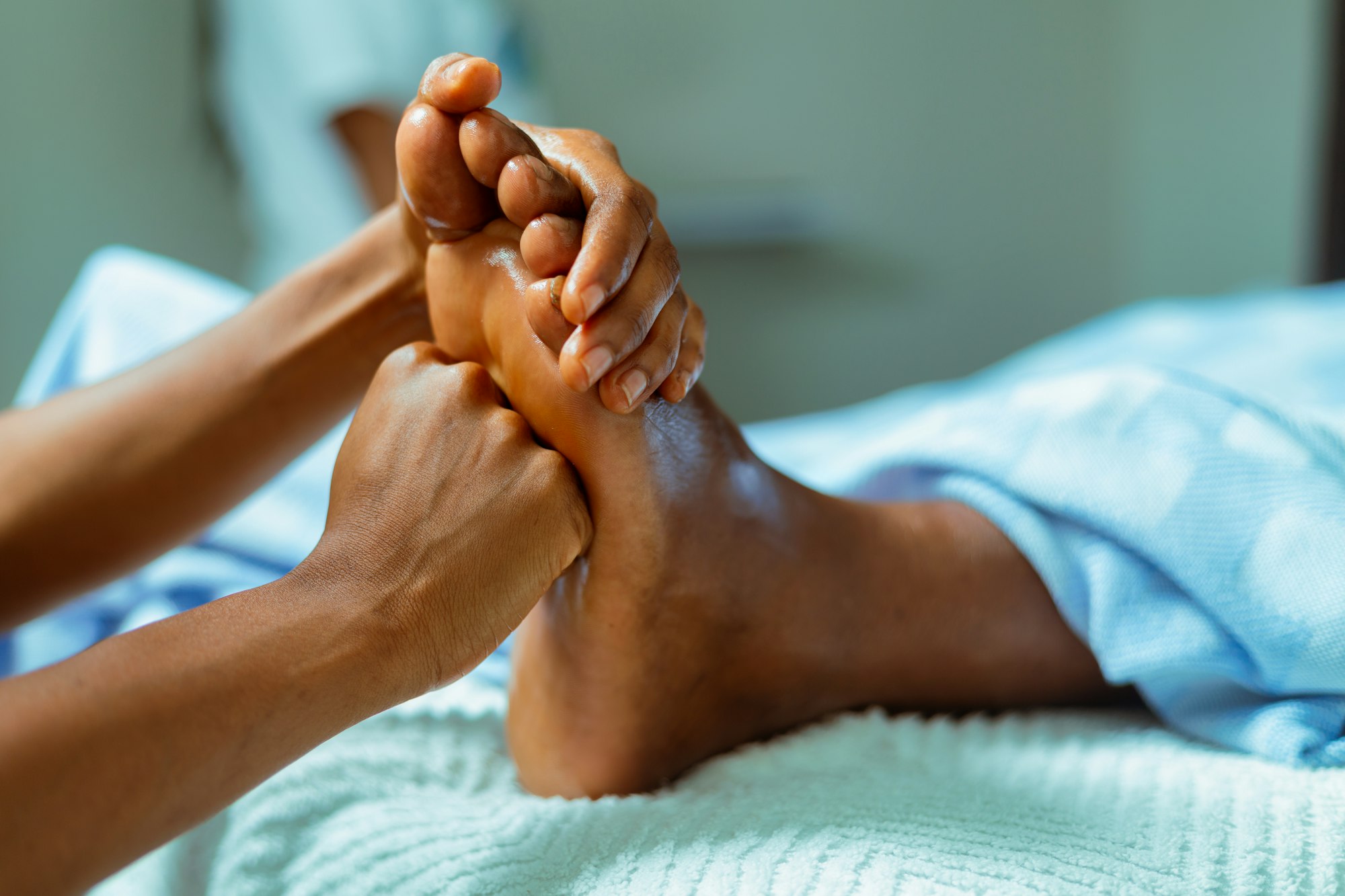
Diagnosis and care
How we treat shin splints and running injuries.
Step 1 · Diagnosis
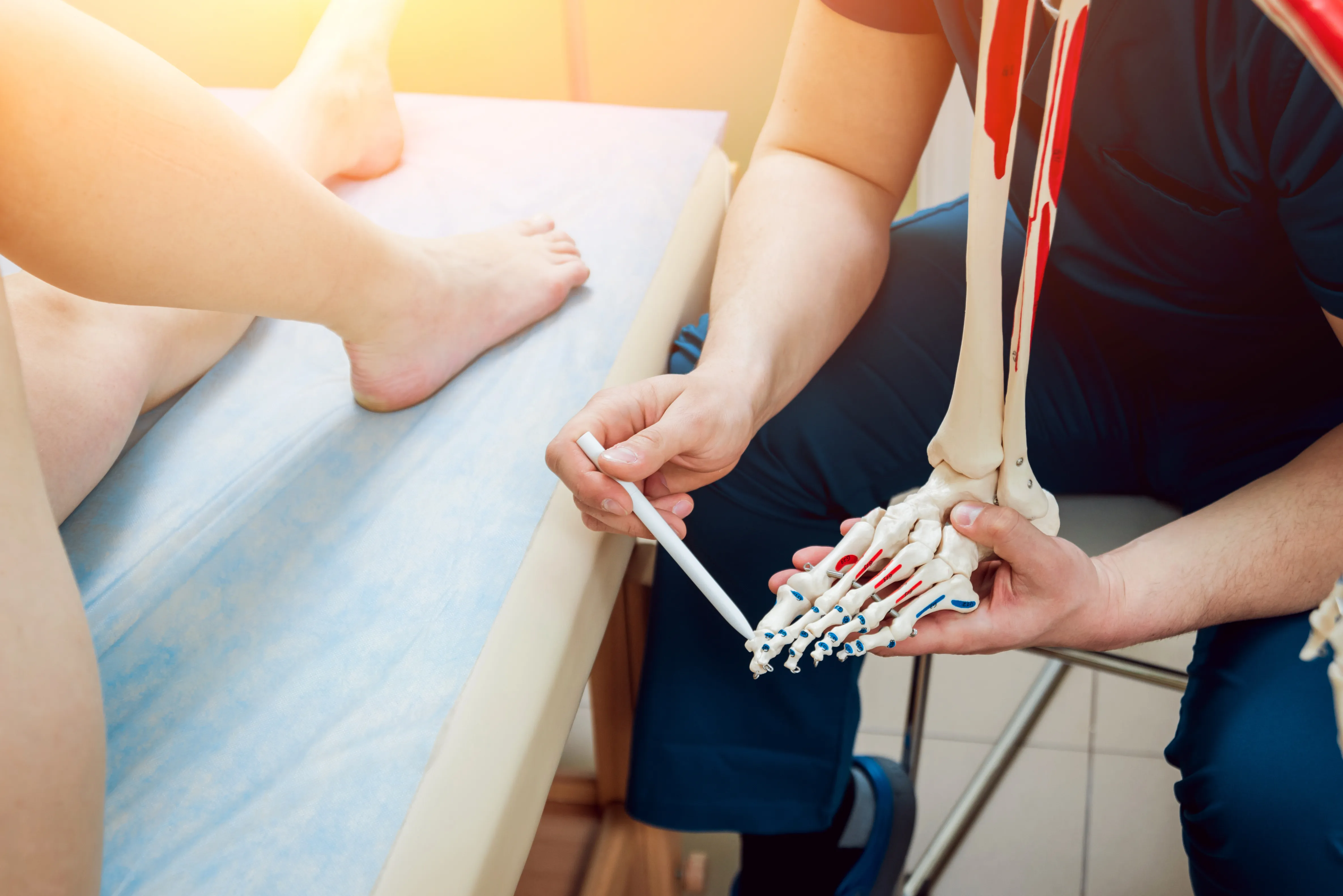
We watch how you stand and walk, and sometimes how you run. We check your arches, ankles, and where the shin is sore. X-rays or an MRI may be used to rule out a stress fracture if the pain is sharp or focused on one spot.
Step 2 · Treatment
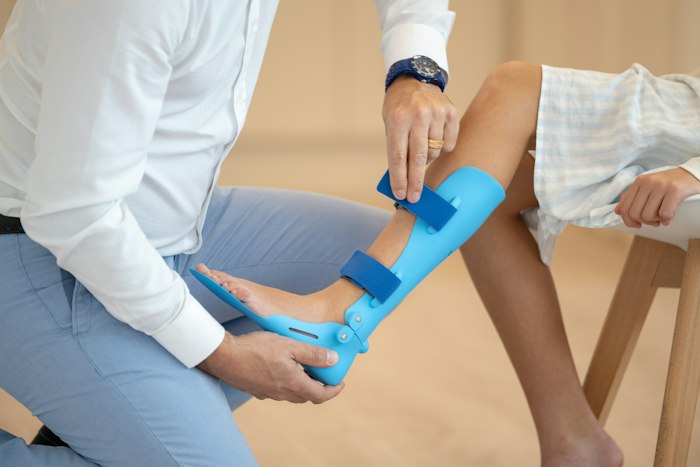
Lowering your mileage and giving the shin time to calm down is key. Ice, calf stretches, and strengthening exercises help. New shoes and custom orthotics can improve how your foot absorbs force. Physical therapy can fix weak spots and teach a smoother running form.
Surgery is rarely needed for shin splints. It is only considered for stubborn cases that do not respond to months of proper care, or when another cause like a bone problem is found.
Recovery
What to expect over time.
Many people feel better in about 2 to 6 weeks of smart rest and rehab. A slow, planned return to running lowers the chance of flare-ups.
When to book
Do not wait it out.
See a podiatrist if shin pain lasts more than a couple of weeks, hurts at night, or is sharp in one spot. Those signs can point to a stress fracture.
Call 615-220-8788Related care
More in Fractures, Trauma & Sports Injuries.
FAQ
Your questions answered.
Should I stop running completely?
Not always. Cutting back and switching to low-impact exercise often works, but sharp or worsening pain means a full rest.
Do my shoes matter?
Yes. Worn shoes or a poor fit can add strain, and running shoes usually need replacing after several hundred miles.
Get help with shin splints and running injuries.
Where we treat it
Shin Splints & Running Injuries care at 15 clinics.
- Brentwood10644 Concord Road
- Clarksville1762 Memorial Dr
- Columbia1215 Hatcher Lane
- Cookeville120 Walnut Commons Lane, Suite A
- Gallatin179 Hancock St, Suite 300
- Goodlettsville824 Wren Rd
- Hermitage3901 Central Pike, Suite 353
- Lebanon430 West Main Street
- Mount Juliet2628 North Mount Juliet Road
- Murfreesboro536 N Thompson Ln, Suite F
- Nashville300 20th Avenue North, Suite 103
- Pulaski306 South 7th Street
- Shelbyville120 Frank Martin Rd, Suite 200
- Smyrna693 President Pl, Suite 103
- Waverly110 Hillwood Drive