




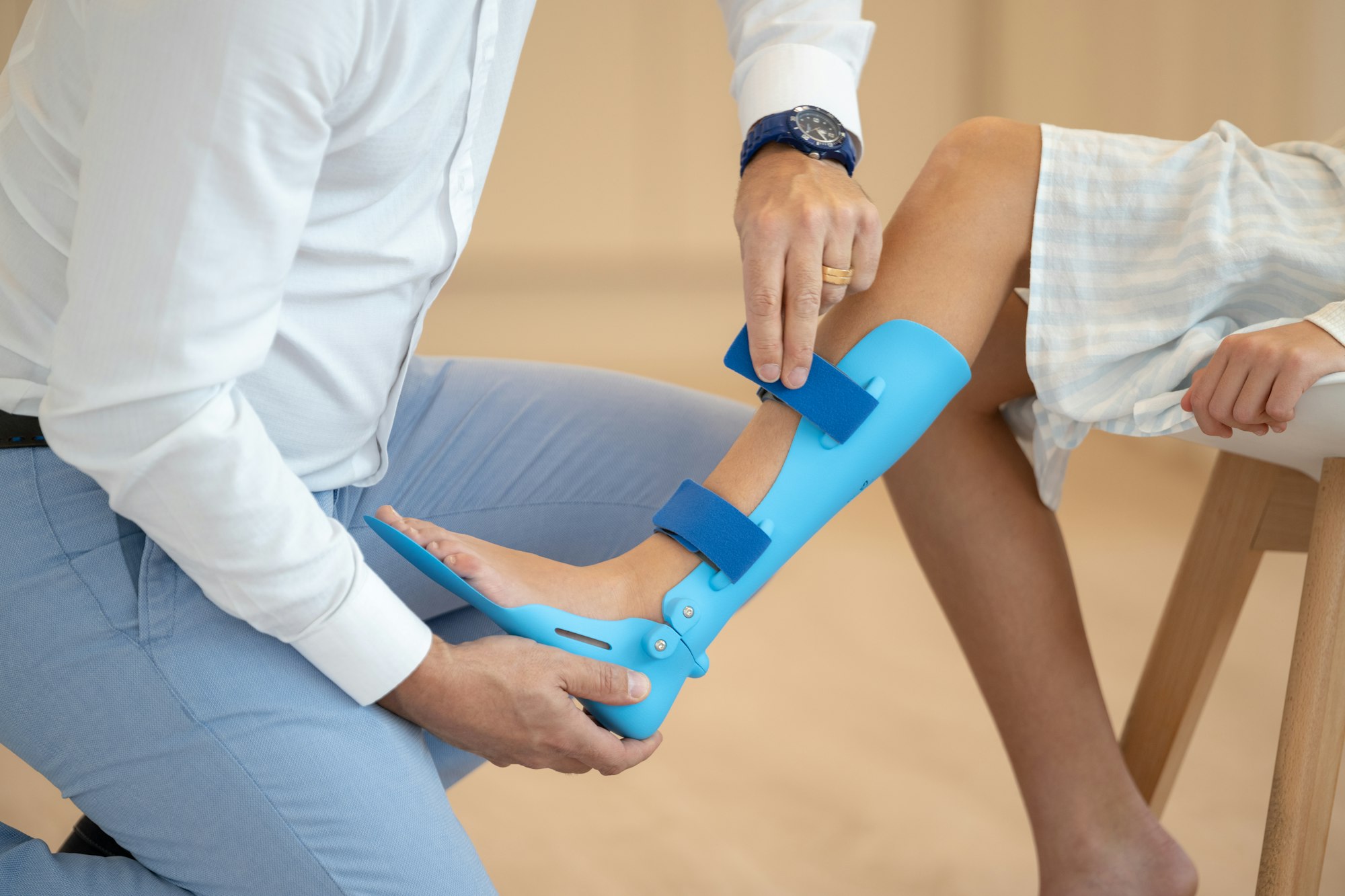
Ankle Pain, Instability & Tendon Disorders
Ankle Synovitis & Osteochondral Lesions of the Talus
Causes, symptoms, and treatment for ankle synovitis and osteochondral lesions of the talus, with care at 15 clinics across Middle Tennessee.
Understanding ankle synovitis and osteochondral lesions of the talus and your options.
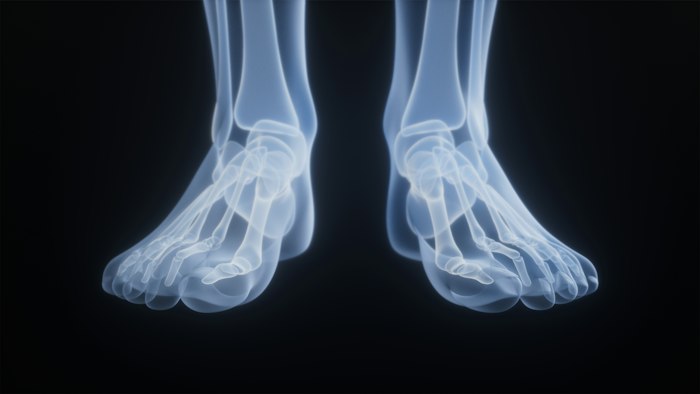
Synovitis is swelling of the thin lining inside the ankle joint. An osteochondral lesion is damage to the cartilage and the bone under it on the talus, the bone that sits at the top of the foot.
Both can follow an ankle sprain or fracture that seems to have healed. The ankle may still ache, swell, or feel stuck long afterward, so it is worth having it checked.
Symptoms
Signs of ankle synovitis and osteochondral lesions of the talus.
If you notice these signs, an exam can give you clear answers.
- 01
Deep ankle pain that lasts after a sprain
- 02
Swelling inside the joint
- 03
Clicking, locking, or catching
- 04
Stiffness, especially after rest
Why it happens
What can cause ankle synovitis and osteochondral lesions of the talus.
- 01
A past sprain or ankle fracture
- 02
Repeated small injuries to the joint
- 03
Blood flow trouble to a small area of bone
- 04
Ongoing irritation of the joint lining
Diagnosis and care
How we treat ankle synovitis and osteochondral lesions of the talus.
Step 1 · Diagnosis
X-rays may look normal, since cartilage damage can be hard to see. We often order an MRI or CT scan to view the talus and joint lining. We also compare your symptoms with your injury history.
Step 2 · Treatment
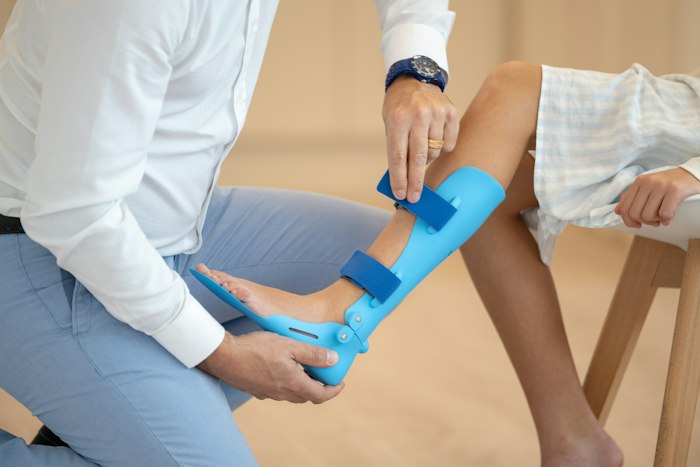
Early care may include a boot or brace to unload the joint, along with rest from impact. Anti-inflammatory approaches and injections can settle a swollen joint lining. Physical therapy helps keep the ankle moving and strong. Shoe support and activity changes protect the area while it heals.
If pain continues, surgery can clean out the lining, repair the damaged area, or stimulate new cartilage growth. The best option depends on the size and place of the lesion.
Recovery
What to expect over time.
Mild cases may settle over several weeks to a few months. Larger lesions or surgery can mean six months or more before full activity.
When to book
Do not wait it out.
See a podiatrist if ankle pain, swelling, or catching goes on for weeks after a sprain. A normal X-ray does not always mean the joint is fine.
Call 615-220-8788Related care
More in Ankle Pain, Instability & Tendon Disorders.
FAQ
Your questions answered.
Why did my ankle still hurt after the sprain healed?
Sometimes the joint lining or cartilage was hurt too. These problems can hide on plain X-rays.
Will I need surgery for a talus lesion?
Many small lesions improve without it. Surgery is usually kept for pain that does not respond to care.
Get help with ankle synovitis and osteochondral lesions of the talus.
Where we treat it
Ankle Synovitis & Osteochondral Lesions of the Talus care at 15 clinics.
- Brentwood10644 Concord Road
- Clarksville1762 Memorial Dr
- Columbia1215 Hatcher Lane
- Cookeville120 Walnut Commons Lane, Suite A
- Gallatin179 Hancock St, Suite 300
- Goodlettsville824 Wren Rd
- Hermitage3901 Central Pike, Suite 353
- Lebanon430 West Main Street
- Mount Juliet2628 North Mount Juliet Road
- Murfreesboro536 N Thompson Ln, Suite F
- Nashville300 20th Avenue North, Suite 103
- Pulaski306 South 7th Street
- Shelbyville120 Frank Martin Rd, Suite 200
- Smyrna693 President Pl, Suite 103
- Waverly110 Hillwood Drive