

Bunions, Toes & Forefoot Conditions
Freiberg's Disease & Intractable Plantar Keratosis
Causes, symptoms, and treatment for Freiberg's disease and intractable plantar keratosis, with care at 15 clinics across Middle Tennessee.
Understanding Freiberg's disease and intractable plantar keratosis and your options.
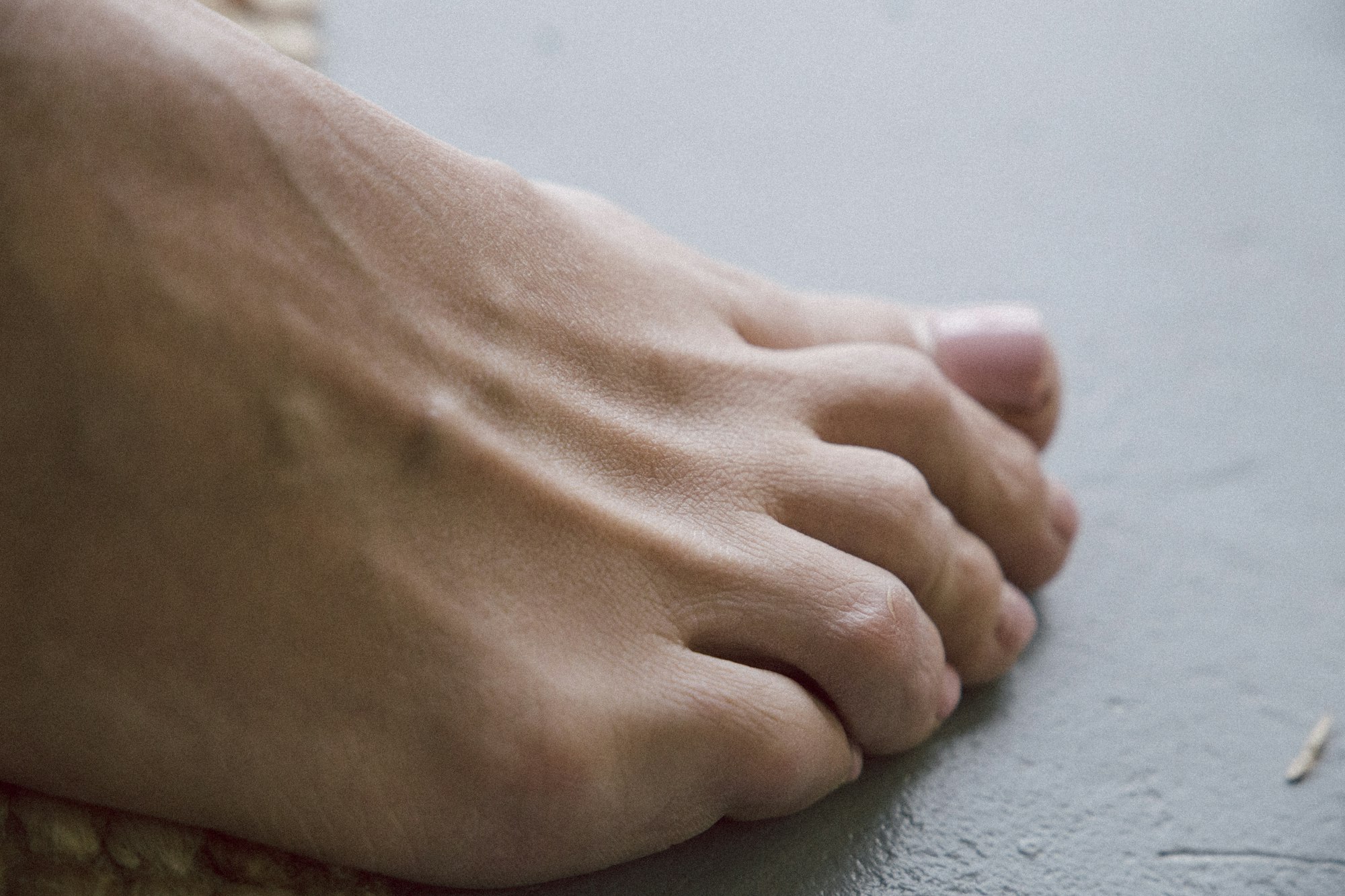
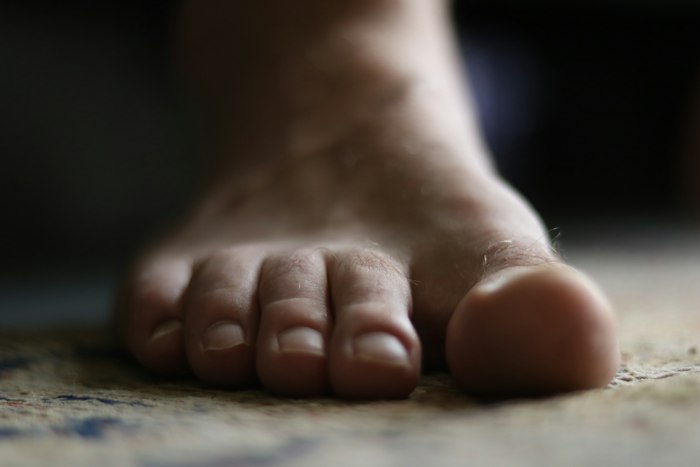
Freiberg's disease happens when the head of a metatarsal bone, most often the second, loses blood supply and collapses a little. Intractable plantar keratosis (IPK) is a deep, painful callus under the ball of the foot that keeps coming back. Both cause pain when the front of the foot takes weight.
Freiberg's is seen mostly in teens and young women. IPK can affect many adults. Care often begins with simple pressure relief.
Also called: IPK
Symptoms
Signs of Freiberg's disease and intractable plantar keratosis.
If you notice these signs, an exam can give you clear answers.
- 01
Deep, aching pain at the base of a toe
- 02
Swelling and stiffness in the toe joint
- 03
A hard, painful spot under the ball of the foot
- 04
Pain that returns even after the callus is trimmed
Why it happens
What can cause Freiberg's disease and intractable plantar keratosis.
- 01
Repeated stress on a metatarsal bone during growth
- 02
A long metatarsal that carries extra load
- 03
A bone that sits lower than its neighbors
- 04
Past injury to the forefoot
Diagnosis and care
How we treat Freiberg's disease and intractable plantar keratosis.
Step 1 · Diagnosis
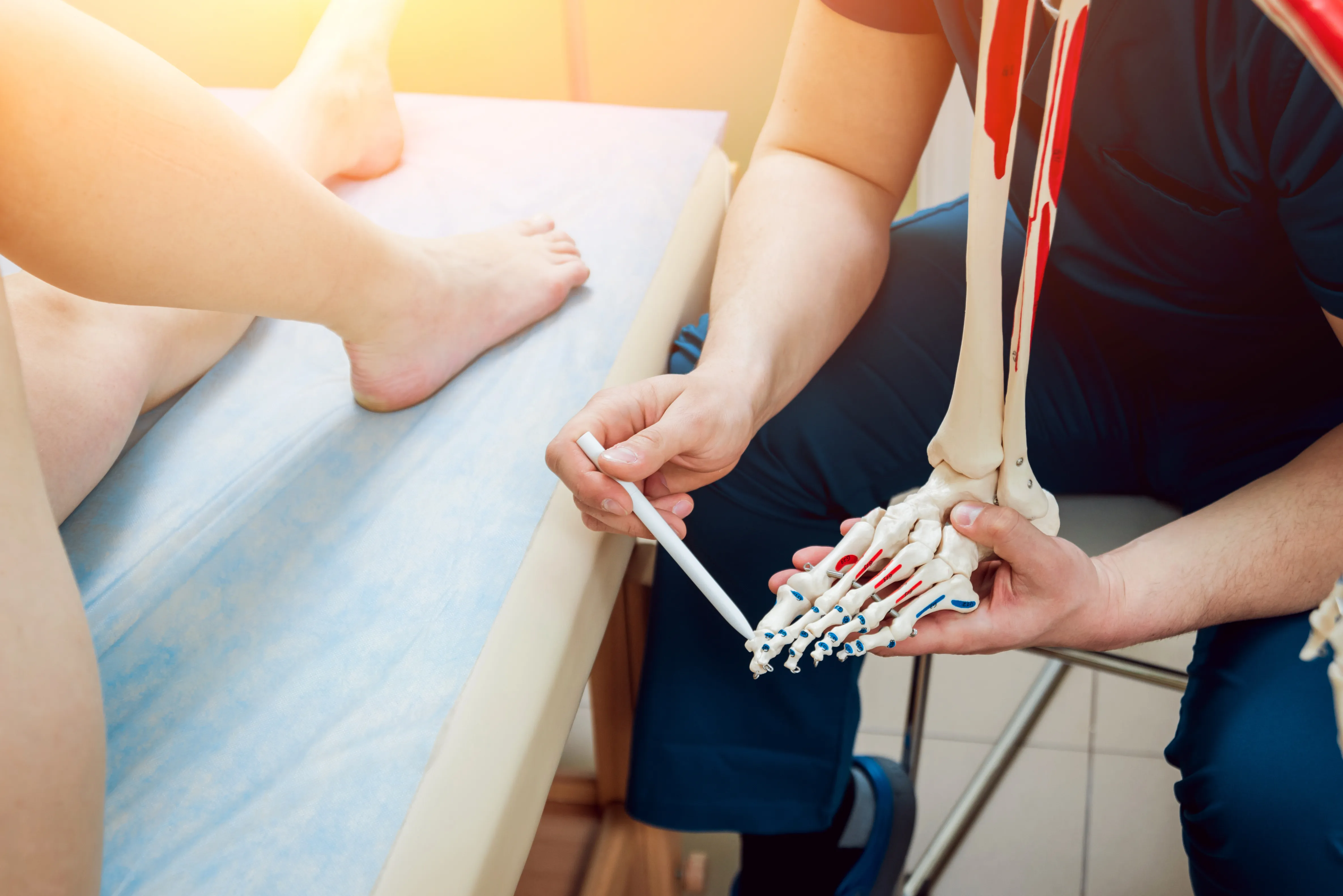
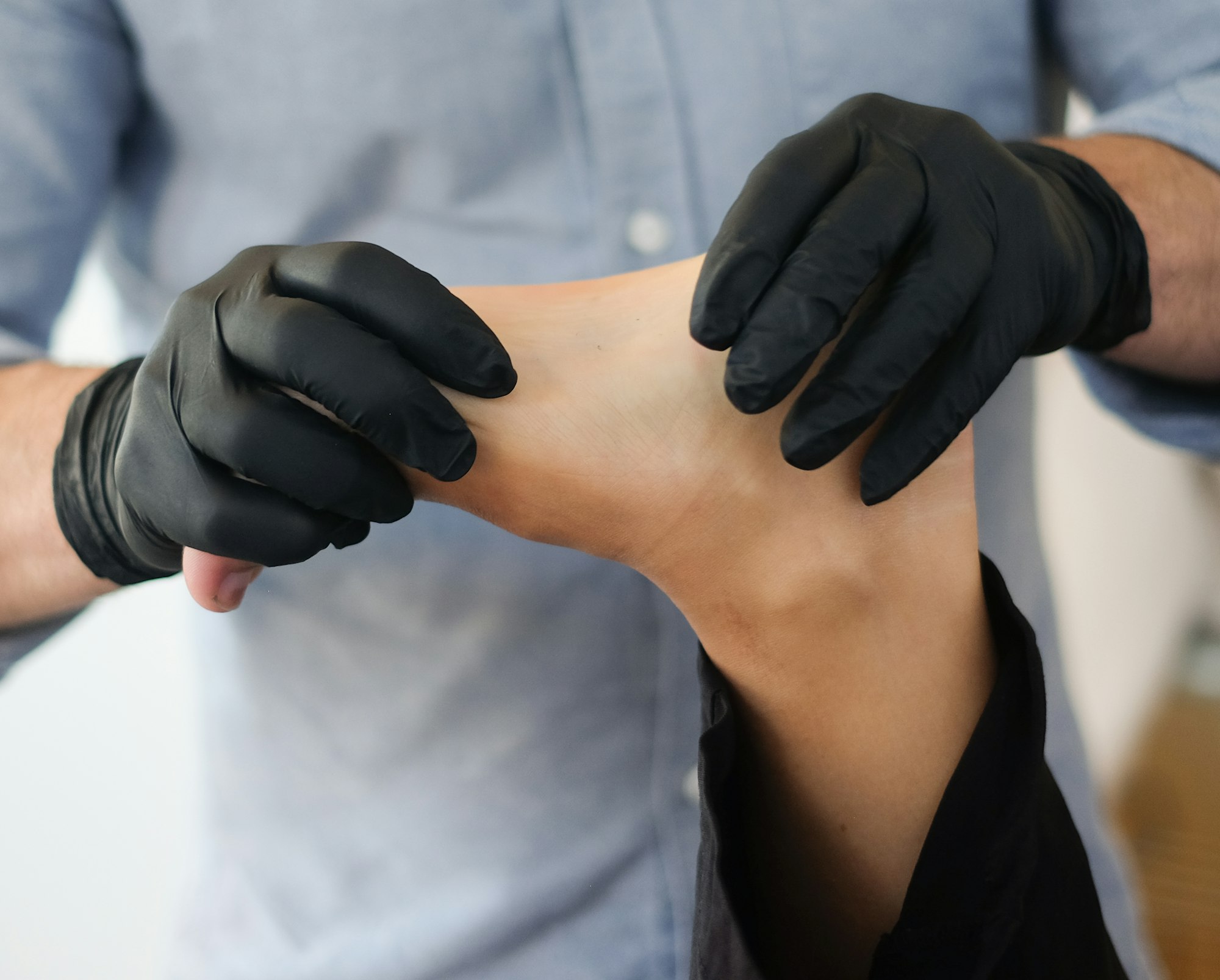
We examine the sore area and trim any callus to see what is underneath. X-rays can show flattening of the bone in Freiberg's disease or a low bone head in IPK. MRI may be used to check bone health in early Freiberg's.
Step 2 · Treatment
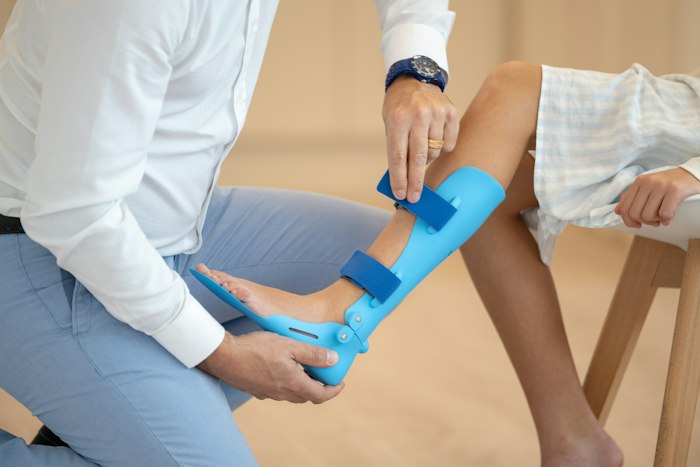
Offloading is the main goal. A stiff-soled shoe, a walking boot for a short time, and custom orthotics with padding around the sore area can lower pressure. For IPK, we can safely shave the callus in the office to ease pain. Rest from high-impact sports helps Freiberg's settle.
When pain continues, surgery can smooth the bone, remove damaged joint surface, or shift the bone to relieve pressure. The choice depends on the age of the patient and the condition of the joint.
Recovery
What to expect over time.
Many people feel better after a few months of offloading, though the joint may stay a bit stiff. Recovery after surgery is often two to four months.
When to book
Do not wait it out.
Come in if forefoot pain lasts more than a few weeks, especially in a teen. Also see us if a callus keeps coming back or hurts to walk on.
Call 615-220-8788Related care
More in Bunions, Toes & Forefoot Conditions.
- Bunions in Adults & Adolescents
- Hallux Limitus, Hallux Rigidus & Big Toe Arthritis
- Hallux Varus
- Sesamoiditis, Sesamoid Fractures & AVN
- Tailor's Bunion
- Hammertoes, Mallet Toes, Claw Toes & Curly Toes
- Overlapping, Underlapping & Joint Contractures
- Ball-of-Foot Pain, Metatarsalgia & Forefoot Overload
- Capsulitis & Plantar Plate Injuries and Tears
- Morton's Neuroma
FAQ
Your questions answered.
Why does my callus keep returning?
A callus grows back when the same spot keeps taking too much pressure. Padding and orthotics aim to fix the cause, not just the skin.
Is Freiberg's disease permanent?
The bone changes may stay, but pain can often be controlled with care.
Get help with Freiberg's disease and intractable plantar keratosis.
Where we treat it
Freiberg's Disease & Intractable Plantar Keratosis care at 15 clinics.
- Brentwood10644 Concord Road
- Clarksville1762 Memorial Dr
- Columbia1215 Hatcher Lane
- Cookeville120 Walnut Commons Lane, Suite A
- Gallatin179 Hancock St, Suite 300
- Goodlettsville824 Wren Rd
- Hermitage3901 Central Pike, Suite 353
- Lebanon430 West Main Street
- Mount Juliet2628 North Mount Juliet Road
- Murfreesboro536 N Thompson Ln, Suite F
- Nashville300 20th Avenue North, Suite 103
- Pulaski306 South 7th Street
- Shelbyville120 Frank Martin Rd, Suite 200
- Smyrna693 President Pl, Suite 103
- Waverly110 Hillwood Drive