



Fractures, Trauma & Sports Injuries
Lisfranc Fractures & Dislocations
Causes, symptoms, and treatment for Lisfranc injuries, with care at 15 clinics across Middle Tennessee.
Understanding Lisfranc injuries and your options.
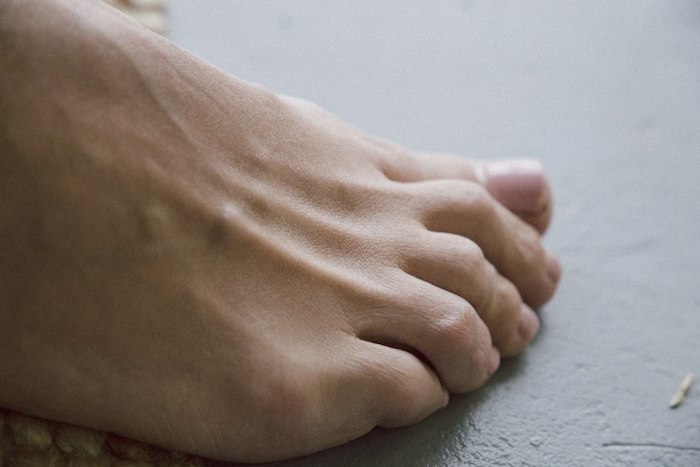
The Lisfranc joint is the group of small bones and strong ligaments in the middle of your foot. It holds the arch together. A Lisfranc injury means those bones are broken, shifted, or the ligaments are torn.
This injury can happen from a twist while the foot is planted, a fall, or a crush. It is often mistaken for a simple sprain. Finding it early matters because unstable bones can lead to long-term arch pain.

Symptoms
Signs of Lisfranc injuries.
If you notice these signs, an exam can give you clear answers.
- 01
Pain and swelling across the top of the midfoot
- 02
Bruising on the bottom of the foot, in the arch
- 03
Pain when you stand on your toes or push off
- 04
Trouble walking, or a foot that feels unstable
Why it happens
What can cause Lisfranc injuries.
- 01
Twisting the foot while the toes are pointed down
- 02
Falls from a step or ladder
- 03
Car crashes and heavy objects landing on the foot
- 04
Sports tackles or a horse or bike accident
Diagnosis and care
How we treat Lisfranc injuries.
Step 1 · Diagnosis
We look for swelling, bruising in the arch, and pain when the midfoot is gently moved. X-rays are taken, sometimes while you stand, to see if the bones have spread apart. A CT scan or MRI may be used to see small breaks and torn ligaments.
Step 2 · Treatment
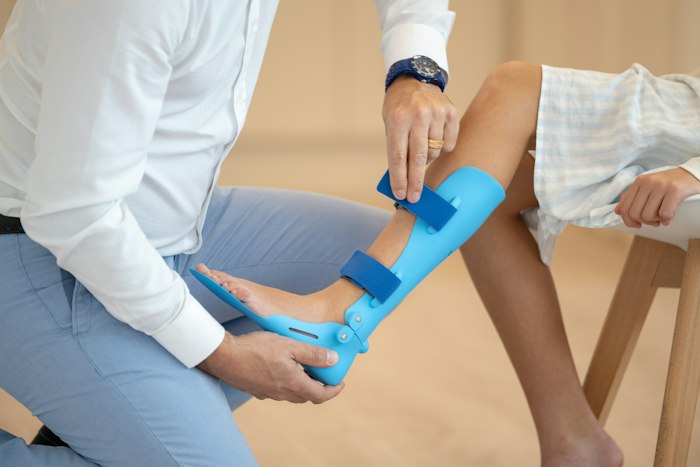
A mild Lisfranc sprain with stable bones may be treated with a cast or boot and no weight on the foot for several weeks. Crutches are usually needed. We recheck with X-rays to make sure the bones have not moved. After that, a firm shoe, arch support, and physical therapy help you walk normally again.
When the bones have shifted or the joint is unstable, surgery is often advised. The surgeon lines the bones up and holds them with screws or plates, and sometimes joins the bones together.
Recovery
What to expect over time.
Healing often takes 2 to 4 months, and full return to sports may take longer. Some people have lasting stiffness or arch pain, especially after a serious injury.
When to book
Do not wait it out.
See a podiatrist right away if you have midfoot swelling and pain after a twist or fall, especially with bruising on the sole. Do not wait it out, since a missed injury can get worse.
Call 615-220-8788Related care
More in Fractures, Trauma & Sports Injuries.
FAQ
Your questions answered.
Is a Lisfranc injury just a bad sprain?
It can look like one, but it involves the joints and ligaments that hold your arch. That is why it needs a careful exam and imaging.
Will I get arthritis?
Some people do develop arthritis in the midfoot after this injury. Good alignment early on helps lower that risk.
Get help with Lisfranc injuries.
Where we treat it
Lisfranc Fractures & Dislocations care at 15 clinics.
- Brentwood10644 Concord Road
- Clarksville1762 Memorial Dr
- Columbia1215 Hatcher Lane
- Cookeville120 Walnut Commons Lane, Suite A
- Gallatin179 Hancock St, Suite 300
- Goodlettsville824 Wren Rd
- Hermitage3901 Central Pike, Suite 353
- Lebanon430 West Main Street
- Mount Juliet2628 North Mount Juliet Road
- Murfreesboro536 N Thompson Ln, Suite F
- Nashville300 20th Avenue North, Suite 103
- Pulaski306 South 7th Street
- Shelbyville120 Frank Martin Rd, Suite 200
- Smyrna693 President Pl, Suite 103
- Waverly110 Hillwood Drive