



Diabetic Foot Care, Wounds & Circulation
Diabetic Peripheral Neuropathy & Charcot Foot
Causes, symptoms, and treatment for diabetic neuropathy and Charcot foot, with care at 15 clinics across Middle Tennessee.
Understanding diabetic neuropathy and Charcot foot and your options.
Diabetic peripheral neuropathy is nerve damage that mostly affects the feet and legs. It can cause pain, tingling, or a loss of feeling. Charcot foot is a serious problem where weak, numb bones and joints break down and the foot changes shape.
Neuropathy is common in people who have had diabetes for years. Charcot often begins quietly, with a warm, swollen foot that may not hurt much. Early care can protect the foot from lasting damage.
Symptoms
Signs of diabetic neuropathy and Charcot foot.
If you notice these signs, an exam can give you clear answers.
- 01
Tingling, burning, or stabbing feelings in the feet
- 02
Numb feet that do not feel heat, cold, or pain
- 03
A foot that is red, warm, and swollen
- 04
An arch that slowly sinks or a foot that changes shape
Why it happens
What can cause diabetic neuropathy and Charcot foot.
- 01
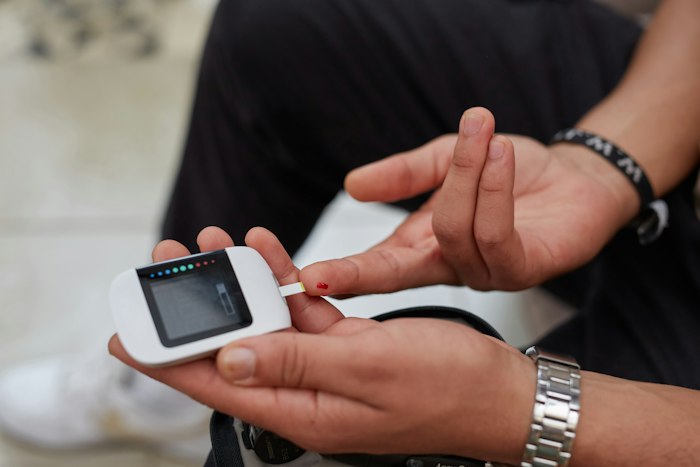
Long-term high blood sugar harming the nerves
- 02
Low feeling that hides small injuries
- 03
Repeated stress on numb bones and joints
- 04
Poor blood flow adding to nerve and bone damage

Diagnosis and care
How we treat diabetic neuropathy and Charcot foot.
Step 1 · Diagnosis
We test how well you feel touch, vibration, and pressure, and check reflexes. For Charcot, we compare the warmth and swelling of both feet and look at foot shape. X-rays show bone changes, and an MRI may help when early Charcot or infection is hard to tell apart.
Step 2 · Treatment
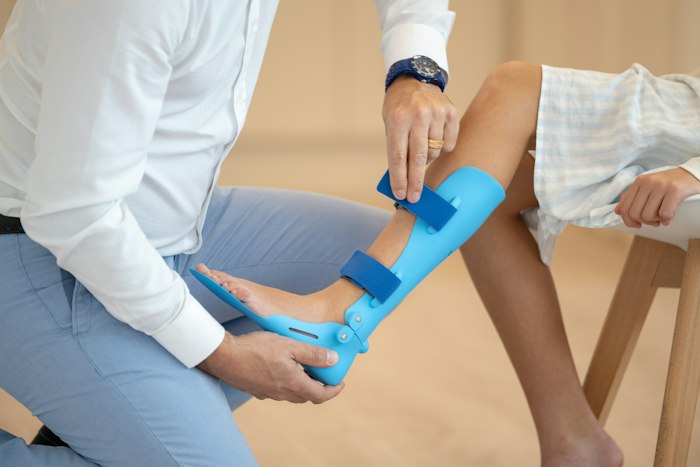
For nerve symptoms, steady blood sugar control and daily foot checks are the base of care. We may suggest protective shoes and inserts for numb feet. Charcot needs strict protection, usually a cast or boot with no weight on the foot until it calms down. After that, custom bracing or shoes help protect the shape of the foot.
Surgery may be considered for Charcot when the foot is badly out of shape, unstable, or has repeated sores. Surgeons can realign and fuse bones, but this is done with great care.
Recovery
What to expect over time.
Nerve symptoms often need ongoing management. Charcot usually takes several months of protection to settle, and lifelong special footwear is common.
When to book
Do not wait it out.
See a podiatrist if your feet feel numb, burn, or tingle, or if one foot becomes warm, red, and swollen. Warm swelling with numbness should be looked at quickly, even without pain.
Call 615-220-8788Related care
More in Diabetic Foot Care, Wounds & Circulation.
- Diabetic Foot Exams & At-Risk Foot Care
- Foot Ulcers
- Chronic Non-Healing Wounds & Limb Preservation
- Foot Infections, Cellulitis, Abscesses & Osteomyelitis
- Peripheral Arterial Disease & Poor Circulation
- Leg and Foot Swelling, Edema & Lymphedema
- Tarsal Tunnel Syndrome, Nerve Entrapment, Burning Feet & Numbness
FAQ
Your questions answered.
Can neuropathy be reversed?
Damage that has already happened often cannot be fully undone. Good blood sugar control can slow it and protect your feet.
Why is Charcot foot so hard to notice?
Numb feet may not hurt even when bones are breaking down. Warmth and swelling are often the first signs.
Get help with diabetic neuropathy and Charcot foot.
Where we treat it
Diabetic Peripheral Neuropathy & Charcot Foot care at 15 clinics.
- Brentwood10644 Concord Road
- Clarksville1762 Memorial Dr
- Columbia1215 Hatcher Lane
- Cookeville120 Walnut Commons Lane, Suite A
- Gallatin179 Hancock St, Suite 300
- Goodlettsville824 Wren Rd
- Hermitage3901 Central Pike, Suite 353
- Lebanon430 West Main Street
- Mount Juliet2628 North Mount Juliet Road
- Murfreesboro536 N Thompson Ln, Suite F
- Nashville300 20th Avenue North, Suite 103
- Pulaski306 South 7th Street
- Shelbyville120 Frank Martin Rd, Suite 200
- Smyrna693 President Pl, Suite 103
- Waverly110 Hillwood Drive