



Diabetic Foot Care, Wounds & Circulation
Foot Ulcers
Causes, symptoms, and treatment for foot ulcers, with care at 15 clinics across Middle Tennessee.
Understanding foot ulcers and your options.
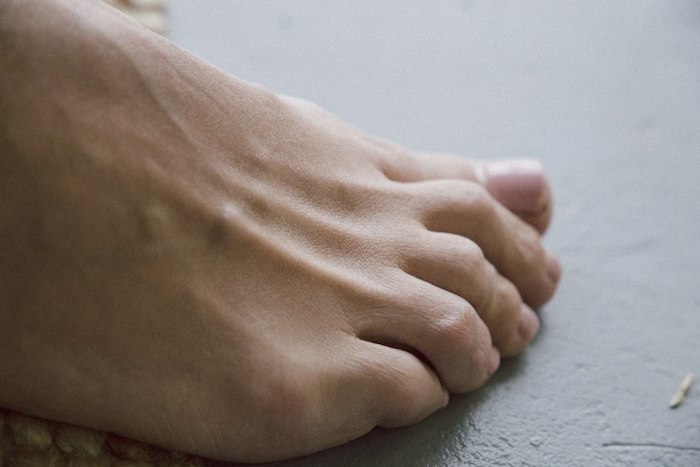
A foot ulcer is an open sore that does not heal the way a normal cut would. It can be shallow or deep. Ulcers may be linked to diabetes, nerve damage, pressure, or poor blood flow in the arteries or veins.
Ulcers often form on the bottom of the foot, the heels, or the toes. Many people do not feel them at first. Treating an ulcer early lowers the risk of infection and serious complications.
Also called: Diabetic, Neuropathic, Pressure, Arterial, Venous
Symptoms
Signs of foot ulcers.
If you notice these signs, an exam can give you clear answers.
- 01
An open sore or blister that will not close
- 02
Drainage, odor, or crusting on a wound
- 03
Red, warm, or swollen skin around the sore
- 04
Little or no pain, even with a deep wound
Why it happens
What can cause foot ulcers.
- 01
Pressure or rubbing on numb areas of the foot
- 02
Poor blood flow from blocked leg arteries
- 03
Weak leg veins that cause swelling and skin breakdown
- 04
Ill-fitting shoes and hard calluses

Diagnosis and care
How we treat foot ulcers.
Step 1 · Diagnosis
We measure and photograph the sore, note its depth, and check for infection. We check pulses and skin color to see how well blood flows. X-rays or an MRI can show whether bone is involved, and we may order circulation tests or blood tests.
Step 2 · Treatment
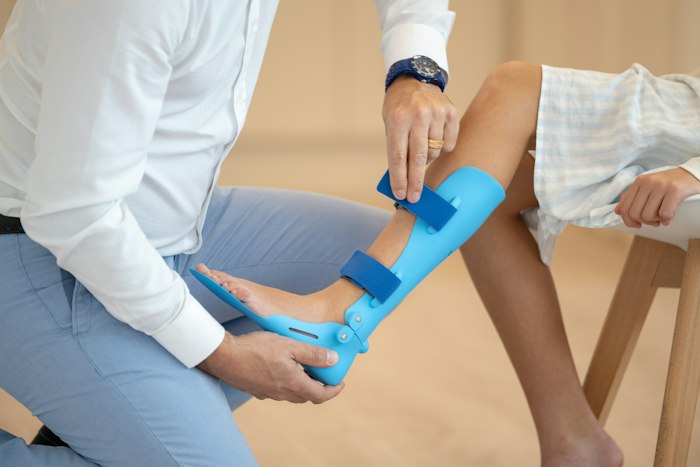
The main goals are to take pressure off the sore and keep it clean and moist. We remove dead tissue during minor in-office procedures and use dressings picked for your wound type. Offloading with a boot, cast, or special shoe is often key. If blood flow is the problem, we work with vascular teams. Compression is used for vein-related ulcers when circulation is safe for it.
Surgery may help when a bone deformity keeps causing pressure, when infection is deep, or when blood flow needs to be restored. A vascular procedure may be needed before a wound can heal.
Recovery
What to expect over time.
Healing can take several weeks to several months, depending on the cause and your health. Ulcers can return, so long-term shoes and checks matter.
When to book
Do not wait it out.
See a podiatrist as soon as you notice an open sore, especially if you have diabetes or poor circulation. Seek urgent care for spreading redness, fever, or a foul smell.
Call 615-220-8788Related care
More in Diabetic Foot Care, Wounds & Circulation.
- Diabetic Foot Exams & At-Risk Foot Care
- Diabetic Peripheral Neuropathy & Charcot Foot
- Chronic Non-Healing Wounds & Limb Preservation
- Foot Infections, Cellulitis, Abscesses & Osteomyelitis
- Peripheral Arterial Disease & Poor Circulation
- Leg and Foot Swelling, Edema & Lymphedema
- Tarsal Tunnel Syndrome, Nerve Entrapment, Burning Feet & Numbness
FAQ
Your questions answered.
Why won't my sore heal?
Pressure, poor blood flow, infection, or high blood sugar can all slow healing. We look for the cause so treatment fits it.
Can I keep walking on it?
Walking on an ulcer can keep it open. We will give you an offloading device so you can move with less pressure.
Get help with foot ulcers.
Where we treat it
Foot Ulcers care at 15 clinics.
- Brentwood10644 Concord Road
- Clarksville1762 Memorial Dr
- Columbia1215 Hatcher Lane
- Cookeville120 Walnut Commons Lane, Suite A
- Gallatin179 Hancock St, Suite 300
- Goodlettsville824 Wren Rd
- Hermitage3901 Central Pike, Suite 353
- Lebanon430 West Main Street
- Mount Juliet2628 North Mount Juliet Road
- Murfreesboro536 N Thompson Ln, Suite F
- Nashville300 20th Avenue North, Suite 103
- Pulaski306 South 7th Street
- Shelbyville120 Frank Martin Rd, Suite 200
- Smyrna693 President Pl, Suite 103
- Waverly110 Hillwood Drive