




Heel, Achilles & Arch Pain
Calcaneal Stress Fractures
Causes, symptoms, and treatment for heel bone stress fractures, with care at 15 clinics across Middle Tennessee.
Understanding heel bone stress fractures and your options.
A calcaneal stress fracture is a tiny crack in the heel bone, caused by repeated stress rather than one big injury. The heel bone takes a lot of force with every step, so it can wear down if it does not get time to recover. Small cracks can grow if you keep pushing through the pain.
It often affects runners, military recruits, dancers, and people who suddenly raise their activity. Catching it early helps the bone heal and lowers the chance of a longer break from activity.
Also called: Heel Bone
Symptoms
Signs of heel bone stress fractures.
If you notice these signs, an exam can give you clear answers.
- 01
Deep heel pain that builds with running or jumping
- 02
Pain when you squeeze the sides of the heel
- 03
Swelling or warmth around the heel bone
- 04
Aching even at rest in more advanced cases
Why it happens
What can cause heel bone stress fractures.
- 01
A fast jump in mileage or training time
- 02
Hard surfaces or worn-out running shoes
- 03
Low bone strength or low vitamin D
- 04
Not enough rest between hard workouts

Diagnosis and care
How we treat heel bone stress fractures.
Step 1 · Diagnosis
We check for pain when the sides of the heel are squeezed and ask about recent changes in training. Early stress fractures may not show on an X-ray, so MRI is often the best test. CT can help in special cases, and blood tests may be used to check bone health.
Step 2 · Treatment
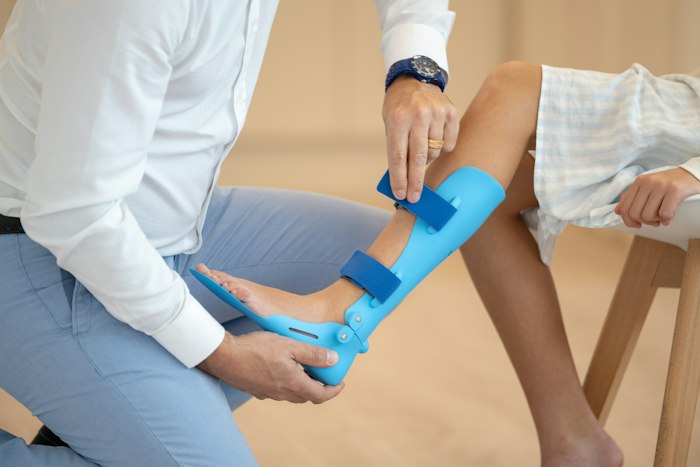
The main treatment is rest from the activity that caused it. A walking boot or crutches takes weight off the bone while it heals. We build a slow return plan and may suggest cross-training like swimming or cycling. Shoes with good cushion and, at times, orthotics reduce future stress.
Surgery is rarely needed for stress fractures of the heel. It is considered only if the bone fails to heal or the fracture shifts.
Recovery
What to expect over time.
Healing often takes six to twelve weeks, and return to running is gradual after that. Coming back too soon can set healing back.
When to book
Do not wait it out.
See a podiatrist if heel pain keeps building with activity or hurts when you squeeze the heel. Stop hard exercise until you are seen, since a small crack can grow.
Call 615-220-8788Related care
More in Heel, Achilles & Arch Pain.
FAQ
Your questions answered.
Why did my X-ray look normal?
Early stress fractures are often too small to see on an X-ray. MRI can show the injury much sooner.
Can I keep training while it heals?
Usually not on the injured heel. Low-impact options like swimming may be possible if we approve them.
Get help with heel bone stress fractures.
Where we treat it
Calcaneal Stress Fractures care at 15 clinics.
- Brentwood10644 Concord Road
- Clarksville1762 Memorial Dr
- Columbia1215 Hatcher Lane
- Cookeville120 Walnut Commons Lane, Suite A
- Gallatin179 Hancock St, Suite 300
- Goodlettsville824 Wren Rd
- Hermitage3901 Central Pike, Suite 353
- Lebanon430 West Main Street
- Mount Juliet2628 North Mount Juliet Road
- Murfreesboro536 N Thompson Ln, Suite F
- Nashville300 20th Avenue North, Suite 103
- Pulaski306 South 7th Street
- Shelbyville120 Frank Martin Rd, Suite 200
- Smyrna693 President Pl, Suite 103
- Waverly110 Hillwood Drive