



Diabetic Foot Care, Wounds & Circulation
Peripheral Arterial Disease & Poor Circulation
Causes, symptoms, and treatment for peripheral arterial disease and poor circulation, with care at 15 clinics across Middle Tennessee.
Understanding peripheral arterial disease and poor circulation and your options.
Peripheral arterial disease, or PAD, means the arteries in the legs have narrowed. Less blood reaches the feet, so they get less oxygen and heal slowly. It is a common cause of poor circulation.
PAD is more likely in people who smoke or have diabetes, high blood pressure, or high cholesterol. It often starts with leg cramps when walking. Finding it early lowers the chance of wounds and helps protect your heart too.
Also called: PAD
Symptoms
Signs of peripheral arterial disease and poor circulation.
If you notice these signs, an exam can give you clear answers.
- 01
Leg or calf cramps when walking that ease with rest
- 02
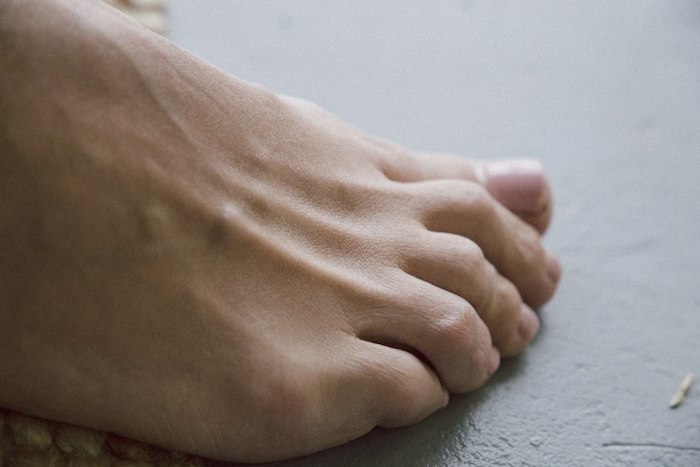
Cold, pale, or bluish feet and toes
- 03
Sores on the feet or toes that heal slowly
- 04
Foot pain at night that eases when the foot hangs down
Why it happens
What can cause peripheral arterial disease and poor circulation.
- 01
Fatty buildup that narrows the leg arteries
- 02
Smoking and tobacco use
- 03
Diabetes, high blood pressure, and high cholesterol
- 04
Older age and a family history of artery disease
Diagnosis and care
How we treat peripheral arterial disease and poor circulation.
Step 1 · Diagnosis
We check pulses in your feet, skin color and temperature, and hair and nail changes. We may do simple blood pressure tests in the ankle and arm to compare blood flow. Ultrasound of the arteries or other imaging may be advised, and we may refer you to a vascular specialist.
Step 2 · Treatment
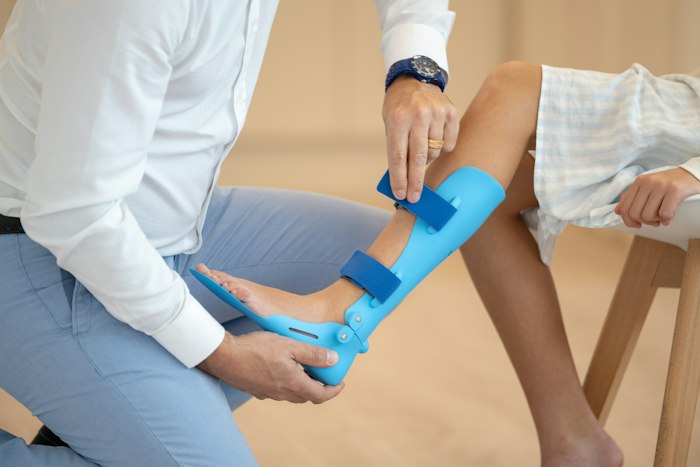
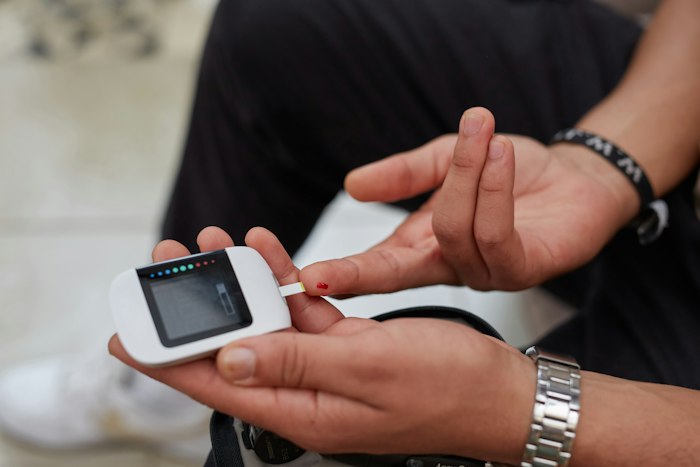
Care often starts with lifestyle steps, like quitting smoking and a walking program. Your doctors may manage blood pressure, cholesterol, and blood sugar. We protect your feet with good shoes, wound care, and daily checks. If sores are present, we treat them and coordinate with vascular care.
When blood flow is very low, a vascular specialist may open or bypass the blocked arteries. This can help wounds heal and ease pain.
Recovery
What to expect over time.
PAD is a long-term condition that is managed, not cured. Walking programs can take a few months to show benefit, and wounds may heal slowly.
When to book
Do not wait it out.
See a podiatrist if you have leg cramps with walking, cold feet, or sores that will not heal. Get urgent help for a sudden cold, pale, or very painful foot.
Call 615-220-8788Related care
More in Diabetic Foot Care, Wounds & Circulation.
- Diabetic Foot Exams & At-Risk Foot Care
- Diabetic Peripheral Neuropathy & Charcot Foot
- Foot Ulcers
- Chronic Non-Healing Wounds & Limb Preservation
- Foot Infections, Cellulitis, Abscesses & Osteomyelitis
- Leg and Foot Swelling, Edema & Lymphedema
- Tarsal Tunnel Syndrome, Nerve Entrapment, Burning Feet & Numbness
FAQ
Your questions answered.
Is leg pain when walking normal with age?
It is common, but it should not be brushed off. Cramps that ease with rest can be a sign of PAD.
Does walking help PAD?
Regular walking, planned with your care team, can improve how far you can go. Stop and rest when pain starts, then try again.
Get help with peripheral arterial disease and poor circulation.
Where we treat it
Peripheral Arterial Disease & Poor Circulation care at 15 clinics.
- Brentwood10644 Concord Road
- Clarksville1762 Memorial Dr
- Columbia1215 Hatcher Lane
- Cookeville120 Walnut Commons Lane, Suite A
- Gallatin179 Hancock St, Suite 300
- Goodlettsville824 Wren Rd
- Hermitage3901 Central Pike, Suite 353
- Lebanon430 West Main Street
- Mount Juliet2628 North Mount Juliet Road
- Murfreesboro536 N Thompson Ln, Suite F
- Nashville300 20th Avenue North, Suite 103
- Pulaski306 South 7th Street
- Shelbyville120 Frank Martin Rd, Suite 200
- Smyrna693 President Pl, Suite 103
- Waverly110 Hillwood Drive