



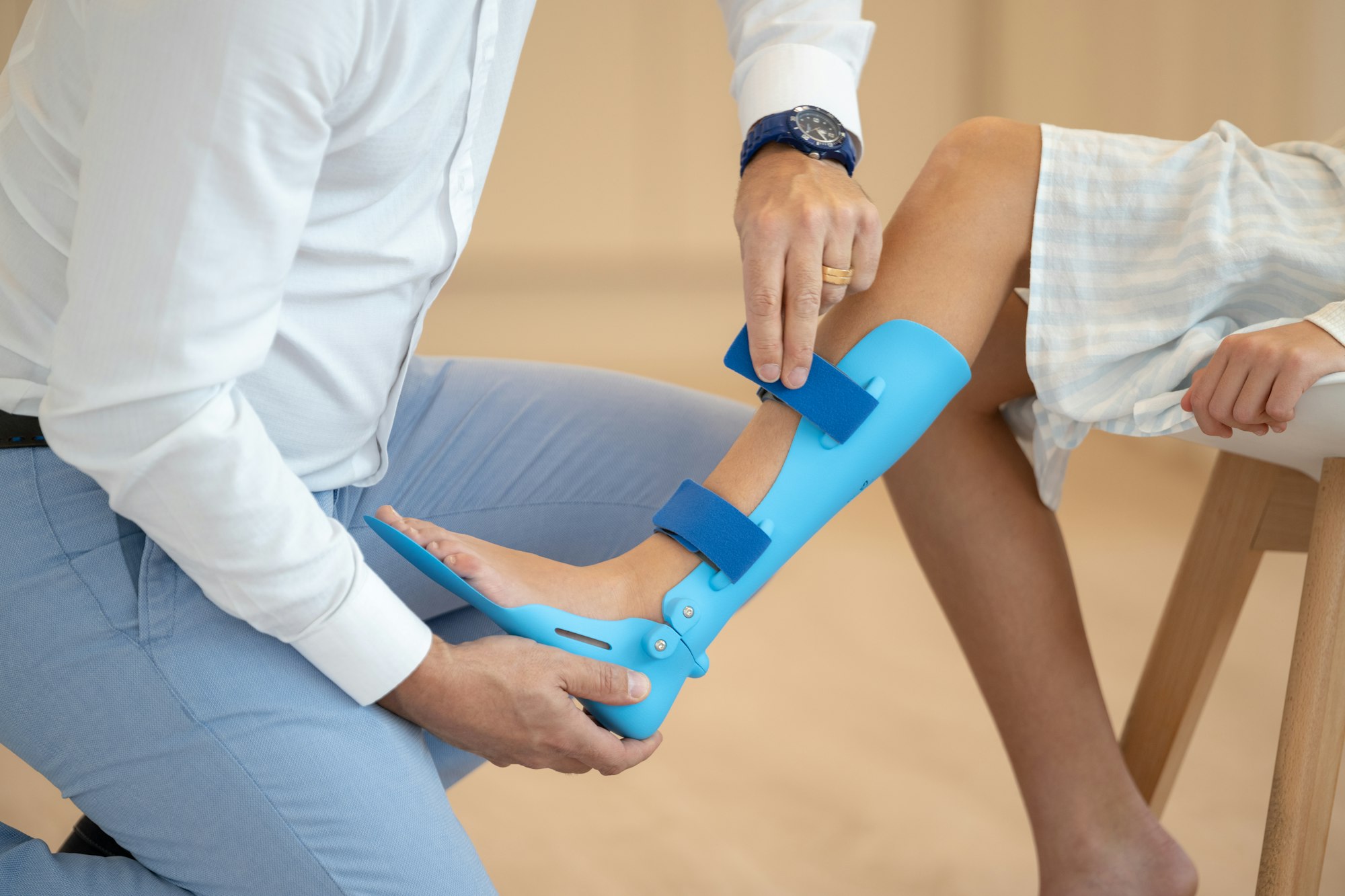
Ankle Pain, Instability & Tendon Disorders
Foot & Ankle Bursitis, Muscle Strains & Soft-Tissue Injuries
Causes, symptoms, and treatment for foot and ankle bursitis, muscle strains, and soft tissue injuries, with care at 15 clinics across Middle Tennessee.
Understanding foot and ankle bursitis, muscle strains, and soft tissue injuries and your options.
Bursae are small fluid-filled cushions that help tissues glide over bone. When one is irritated, it swells and hurts, which is called bursitis. Muscle strains and other soft tissue injuries are overstretched or torn muscle fibers and supporting tissue.
These injuries are common in active people and in those who wear tight shoes. Most respond well when cared for early.
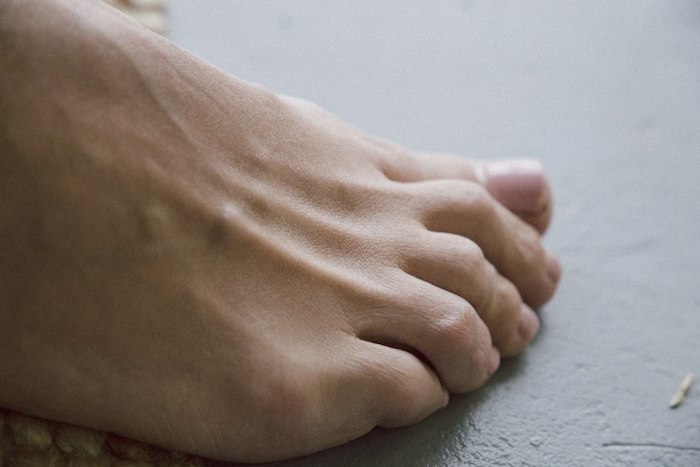
Symptoms
Signs of foot and ankle bursitis, muscle strains, and soft tissue injuries.
If you notice these signs, an exam can give you clear answers.
- 01
A tender, puffy spot near a joint or heel
- 02
Pain when you press on or move the area
- 03
Muscle soreness, tightness, or cramping
- 04
Bruising after a sudden pull or twist
Why it happens
What can cause foot and ankle bursitis, muscle strains, and soft tissue injuries.
- 01
Shoes that rub or press on one spot
- 02
Repeated activity without enough rest
- 03
A sudden stretch or awkward step
- 04
Direct bumps or pressure on the area

Diagnosis and care
How we treat foot and ankle bursitis, muscle strains, and soft tissue injuries.
Step 1 · Diagnosis
We find the exact spot of pain and see how it responds to touch and movement. X-rays can rule out a bone problem. Ultrasound or MRI can show a swollen bursa or a torn muscle.
Step 2 · Treatment
Rest, ice, and shoes that avoid the sore area are often the first steps. Padding, taping, or orthotics can reduce pressure and strain. Gentle stretching and physical therapy help muscles recover. An injection can calm a stubborn swollen bursa.
Surgery is rarely needed for these injuries. It may be an option for a bursa that keeps coming back or a large muscle tear.
Recovery
What to expect over time.
Many people feel better within two to six weeks. Larger strains or long-standing bursitis can take a few months.
When to book
Do not wait it out.
See a podiatrist if a swollen spot is hot, red, or getting worse. Also come in if pain keeps you from normal activity for more than a week or two.
Call 615-220-8788Related care
More in Ankle Pain, Instability & Tendon Disorders.
FAQ
Your questions answered.
Is bursitis the same as an infection?
No, but a swollen bursa can sometimes become infected. Heat, redness, or fever means you should be seen quickly.
Should I stretch a pulled foot muscle right away?
Not at first. Let it rest, then add gentle movement as pain settles.
Get help with foot and ankle bursitis, muscle strains, and soft tissue injuries.
Where we treat it
Foot & Ankle Bursitis, Muscle Strains & Soft-Tissue Injuries care at 15 clinics.
- Brentwood10644 Concord Road
- Clarksville1762 Memorial Dr
- Columbia1215 Hatcher Lane
- Cookeville120 Walnut Commons Lane, Suite A
- Gallatin179 Hancock St, Suite 300
- Goodlettsville824 Wren Rd
- Hermitage3901 Central Pike, Suite 353
- Lebanon430 West Main Street
- Mount Juliet2628 North Mount Juliet Road
- Murfreesboro536 N Thompson Ln, Suite F
- Nashville300 20th Avenue North, Suite 103
- Pulaski306 South 7th Street
- Shelbyville120 Frank Martin Rd, Suite 200
- Smyrna693 President Pl, Suite 103
- Waverly110 Hillwood Drive