


Heel, Achilles & Arch Pain
Achilles Tendinitis & Tendinosis
Causes, symptoms, and treatment for Achilles tendinitis and tendinosis, with care at 15 clinics across Middle Tennessee.
Understanding Achilles tendinitis and tendinosis and your options.
The Achilles tendon connects your calf muscles to your heel bone. When it is overworked, it can become sore and swollen, which is tendinitis. If the strain continues, the tendon fibers can weaken and thicken, which is called tendinosis. The trouble can be in the middle of the tendon or right where it attaches to the heel.
It often affects runners, weekend athletes, and adults who are on their feet a lot. Because tendons heal slowly, getting help early can protect you from a tear later.
Also called: Insertional and Non-Insertional

Symptoms
Signs of Achilles tendinitis and tendinosis.
If you notice these signs, an exam can give you clear answers.
- 01
Aching or stiffness in the back of the heel or lower calf
- 02
Morning stiffness that eases as you warm up
- 03
A thickened or swollen spot along the tendon
- 04
Pain that returns after running, stairs, or uphill walking
Why it happens
What can cause Achilles tendinitis and tendinosis.
- 01
Doing too much, too soon in sports or training
- 02
Tight calf muscles that pull on the tendon
- 03
Rubbing from stiff heel counters in shoes
- 04
Foot alignment that changes how the tendon is loaded
Diagnosis and care
How we treat Achilles tendinitis and tendinosis.
Step 1 · Diagnosis
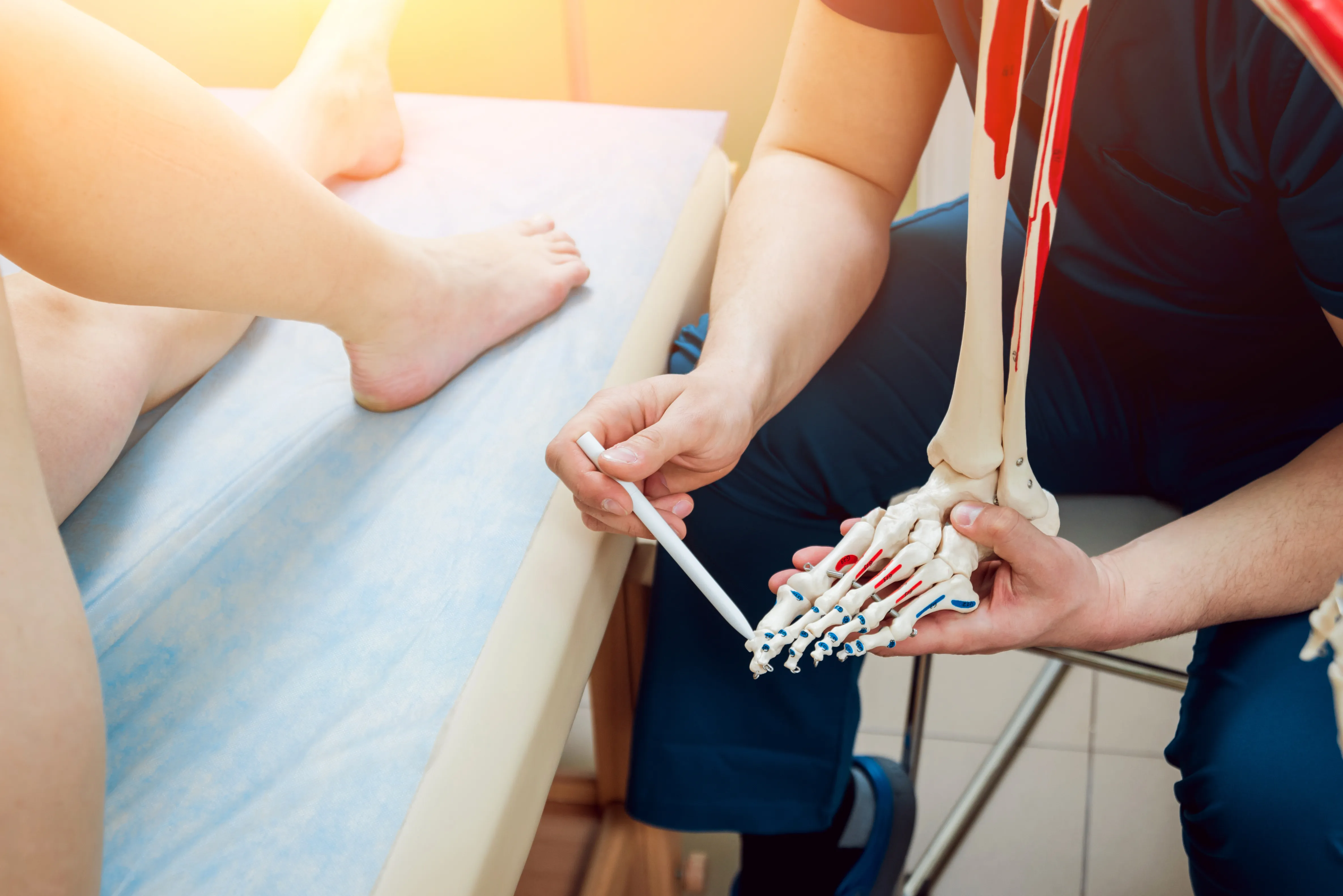
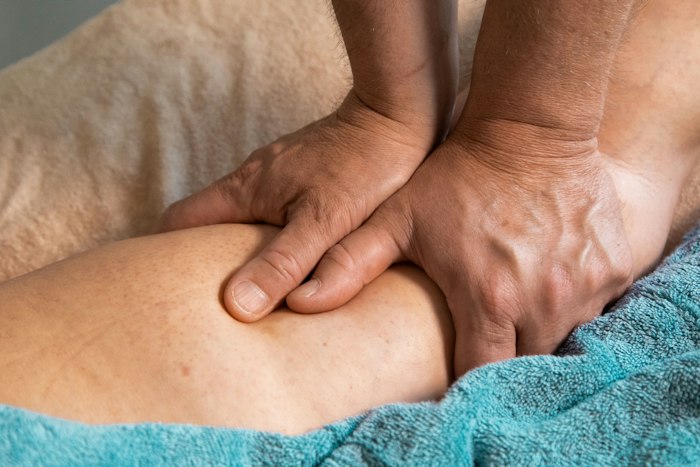
We feel along the tendon to find the tender or thick area and test calf strength and flexibility. Ultrasound is useful for seeing changes inside the tendon. X-rays show whether a bone bump is involved at the heel, and MRI may be advised in tough cases.
Step 2 · Treatment
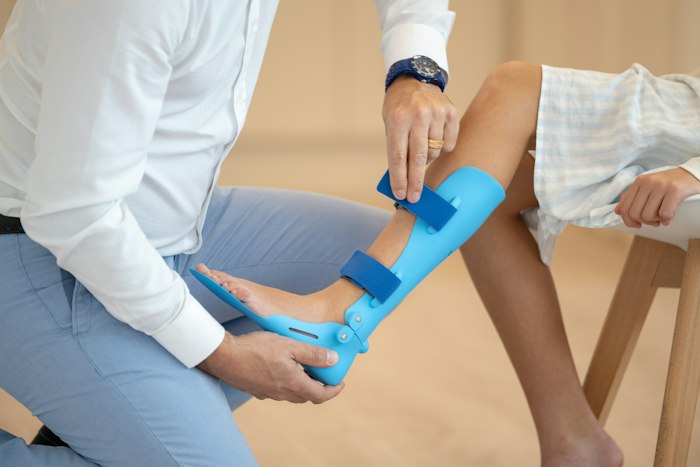
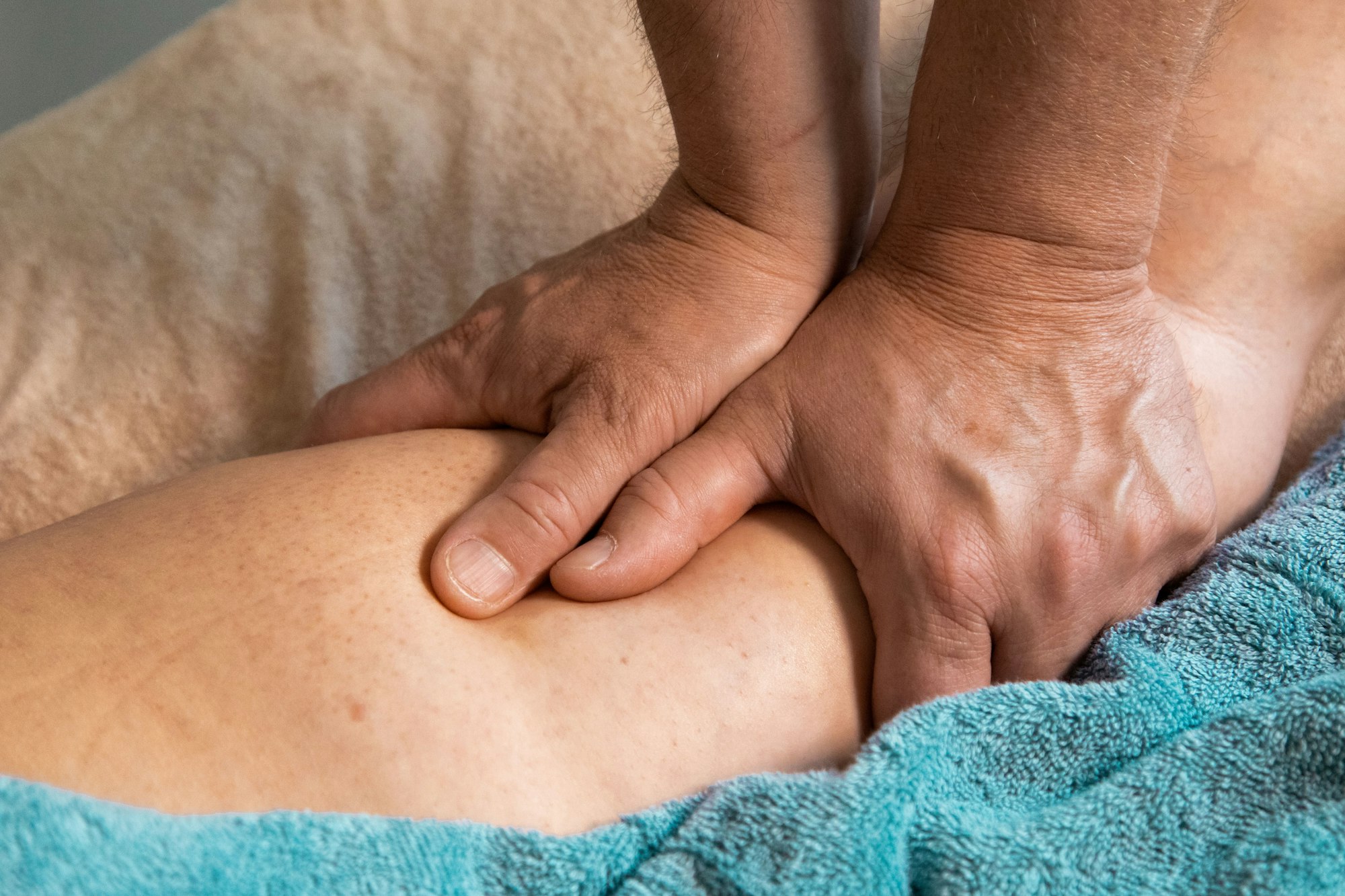
The key is to reduce the load without stopping all movement. Heel lifts, supportive shoes, and short-term boots or bracing can ease strain. Slow, guided strengthening with physical therapy is often the most helpful step for a sore tendon. Orthotics may help if foot mechanics are adding stress. Shockwave therapy is another option for long-lasting pain.
Surgery is uncommon and is considered when many months of care have not worked. It may involve cleaning out damaged tendon tissue or, for the insertional type, smoothing bone at the heel.
Recovery
What to expect over time.
Mild cases can settle in several weeks. Tendinosis often takes three to six months or more, so patience and steady exercises matter.
When to book
Do not wait it out.
Make an appointment if back-of-heel pain lasts more than a week or two or keeps you from exercise. Come in right away if you hear a pop or suddenly cannot push off your foot.
Call 615-220-8788Related care
More in Heel, Achilles & Arch Pain.
FAQ
Your questions answered.
Is it safe to keep running with Achilles pain?
Mild pain may allow lighter activity, but pushing through it can worsen the tendon. We can help you set safe limits.
What is the difference between insertional and non-insertional?
Insertional problems sit where the tendon meets the heel bone. Non-insertional problems affect the middle of the tendon, a bit higher up.
Get help with Achilles tendinitis and tendinosis.
Where we treat it
Achilles Tendinitis & Tendinosis care at 15 clinics.
- Brentwood10644 Concord Road
- Clarksville1762 Memorial Dr
- Columbia1215 Hatcher Lane
- Cookeville120 Walnut Commons Lane, Suite A
- Gallatin179 Hancock St, Suite 300
- Goodlettsville824 Wren Rd
- Hermitage3901 Central Pike, Suite 353
- Lebanon430 West Main Street
- Mount Juliet2628 North Mount Juliet Road
- Murfreesboro536 N Thompson Ln, Suite F
- Nashville300 20th Avenue North, Suite 103
- Pulaski306 South 7th Street
- Shelbyville120 Frank Martin Rd, Suite 200
- Smyrna693 President Pl, Suite 103
- Waverly110 Hillwood Drive