





7 min read | Written by the Neuhaus Foot & Ankle team
Short answer: bunion surgery recovery is usually a gradual process. Many people walk in a protective shoe or boot soon after surgery, wear regular shoes again after about two to three months, and feel fully healed in about six months to a year. Swelling often takes the longest to go away.
Your surgeon’s plan comes first. The timeline below is a general guide, because the type of surgery and your own healing change what happens when.
Before you begin
Surgery is usually a same-day procedure with no hospital stay. If you are still deciding whether you need it, read 3 signs it’s time to consider bunion surgery and our page on bunions.
Get ready at home before surgery day:
- Arrange a ride home and some help for the first few days
- Set up a spot to rest with pillows so you can raise the foot
- Move things you use often to waist height
- Have easy meals, ice packs and any prescribed medicine ready
Week 1: rest and raise the foot
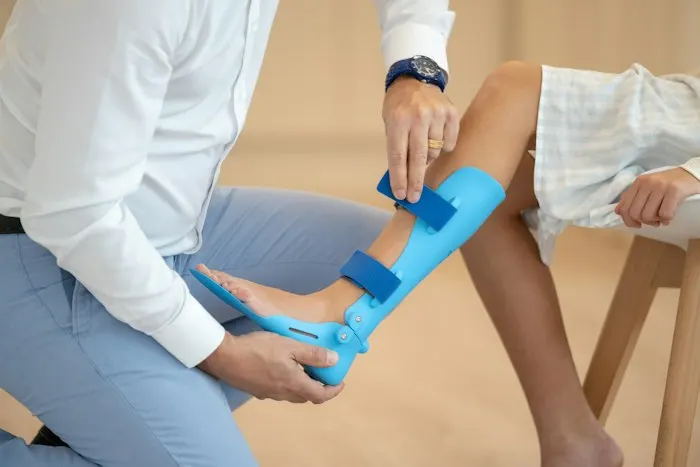
- Your foot is in a bandage, splint or surgical shoe.
- Keep the foot raised above heart level as much as you can. This lowers swelling and pain.
- Take pain medicine as directed.
- Walk only as your surgeon says. Some people use crutches or a knee scooter.
- Keep the bandage clean and dry.
Call your surgeon if pain is out of control, the toe turns pale or blue, or you have a fever.
Week 2: first check
- Many surgeons remove stitches around week two.
- You may start to move the toe gently if you are told to.
- Swelling and bruising are still normal. Bruises can spread to the other toes and ankle.
Weeks 3 to 6: protected walking
- You usually keep wearing a surgical shoe or boot.
- You can often walk more, a little at a time, as your surgeon allows.
- Keep raising the foot at the end of the day.
- You may start simple toe exercises or physical therapy.
Weeks 6 to 8: checking the bone
- An X-ray often shows how well the bone is healing.
- If healing looks good, you may start moving into a wide, soft shoe.
- Walk a bit further each week.
Weeks 8 to 12: back to shoes
- Many people return to roomy sneakers or comfortable shoes.
- Swelling is still common at the end of the day.
- Low-impact exercise, such as cycling or swimming, is often allowed. Ask before running or jumping.
Month 3 to 6 and beyond
- Swelling slowly settles. The foot can look and feel different from the other one for a while.
- Most people go back to their normal activities.
- Full healing and the final shape of the foot can take six months to a year.
Tips for a smoother recovery
- Follow weight-bearing rules exactly. Walking on the foot too soon can harm bone healing.
- Wear wide shoes with room for your toes after surgery. See our 10 step guide for bunion pain.
- Do not smoke, because it slows healing.
- Keep all follow-up visits, even if you feel good.
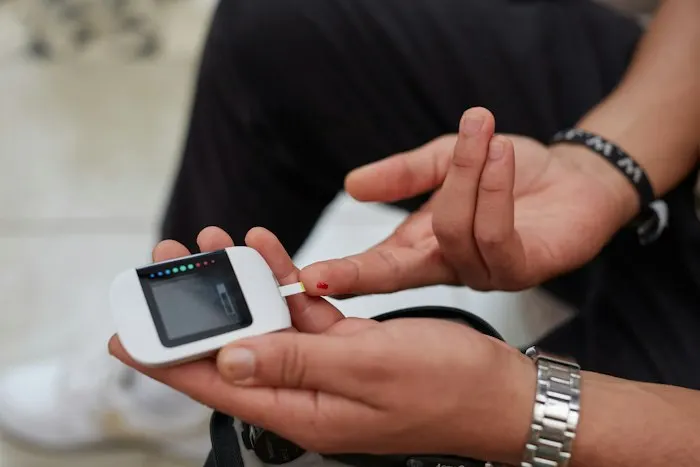
- If you have diabetes, keep your blood sugar well controlled.
When to call your surgeon
- Fever or chills
- Redness spreading, pus or a bad smell
- Pain that gets worse instead of better
- Numb, cold, pale or blue toes
- Calf pain or swelling in the leg (go to the emergency room if you also have chest pain or trouble breathing)
Talk to us about your bunion
Not every bunion needs surgery. Many people get relief with wider shoes, padding, orthotics and other treatments. If surgery is right for you, we will explain the options and the recovery in plain words. See our bunion and forefoot care or request an appointment at a clinic near you in Nashville or across Middle Tennessee.
Frequently asked questions
How long does it take to recover from bunion surgery?
Most people are walking in a surgical shoe or boot within days to a couple of weeks, back in regular shoes at about two to three months, and fully healed in about six months to a year. Swelling can last longer than you expect. Your exact timeline depends on the type of surgery.
When can I walk after bunion surgery?
Many people can walk on the heel or on the whole foot in a protective shoe or boot soon after surgery. Some procedures need crutches or limited weight for a few weeks. Your surgeon will tell you exactly how much weight you can put on the foot.
When can I drive after bunion surgery?
Driving depends on which foot was operated on, whether you take prescription pain medicine, and your surgeon's advice. Many people with right-foot surgery wait several weeks. Always ask before you drive.
How long is the foot swollen after bunion surgery?
Swelling is normal and can last several months. It is usually worse at the end of the day and gets better when you rest with the foot raised.
What can go wrong after bunion surgery?
Problems are uncommon but can include infection, stiffness, nerve irritation, slow bone healing, or the bunion coming back. Following your care plan and keeping your follow-up visits lowers these risks.
Sources and further reading
This article is for general education and is not a diagnosis or personal medical advice. Updated November 27, 2026.
Questions about your feet?
Our podiatrists can help. Book a visit at any of our 15 clinics.